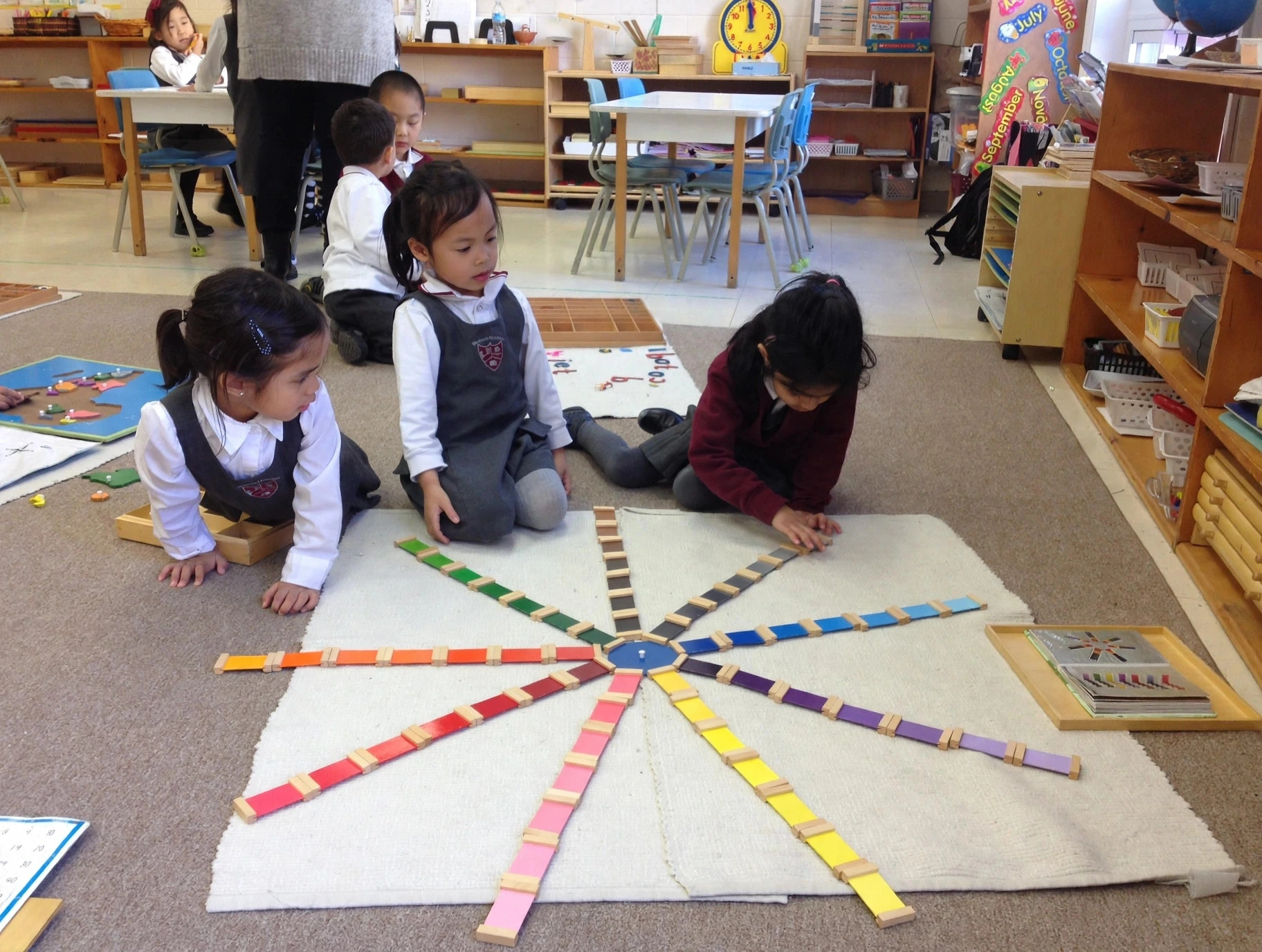
A Different Approach to Learning
Many parents are mystified when they first hear about Montessori schools. In many educational programmes, children are encouraged to follow a strict curriculum, with much of their time managed for them.
In a Montessori programme, the day still has a rhythm, including work periods, meals and other routines. Within that structure, children have meaningful choices about the activities they undertake. Their freedom is supported by a prepared environment and guidance from their teachers.
That leaves many parents wondering what children actually do in a Montessori programme. As this overview explores, children do a great deal through purposeful, hands-on work.
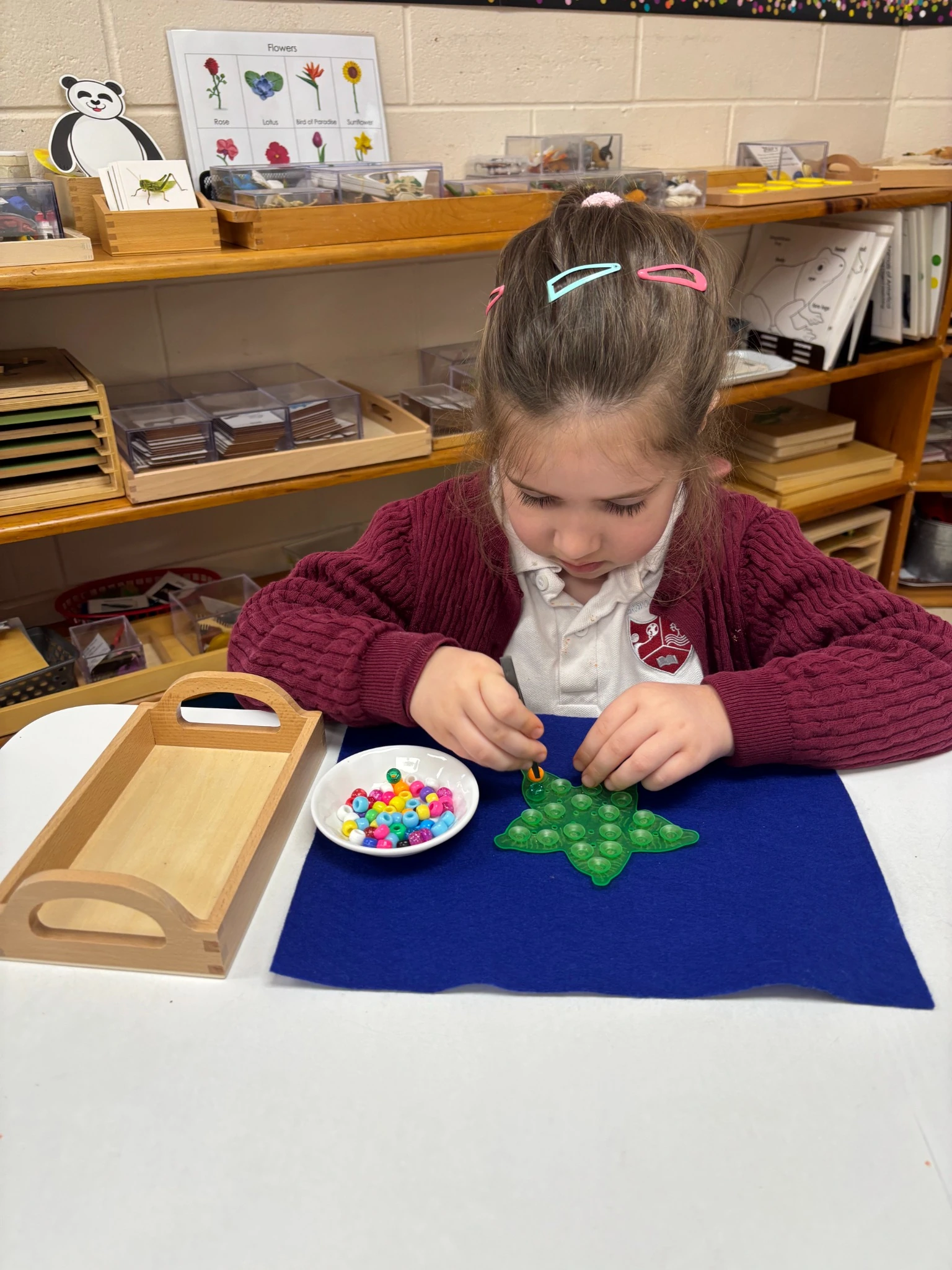
Controlled Freedom
While children are allowed to choose the activities they participate in, educators prepare and guide the available work. Children choose what to focus on from materials that are appropriate for their development.
All of these activities are educational and build important skills. Whatever a child chooses, the aim is to offer meaningful work that supports learning.
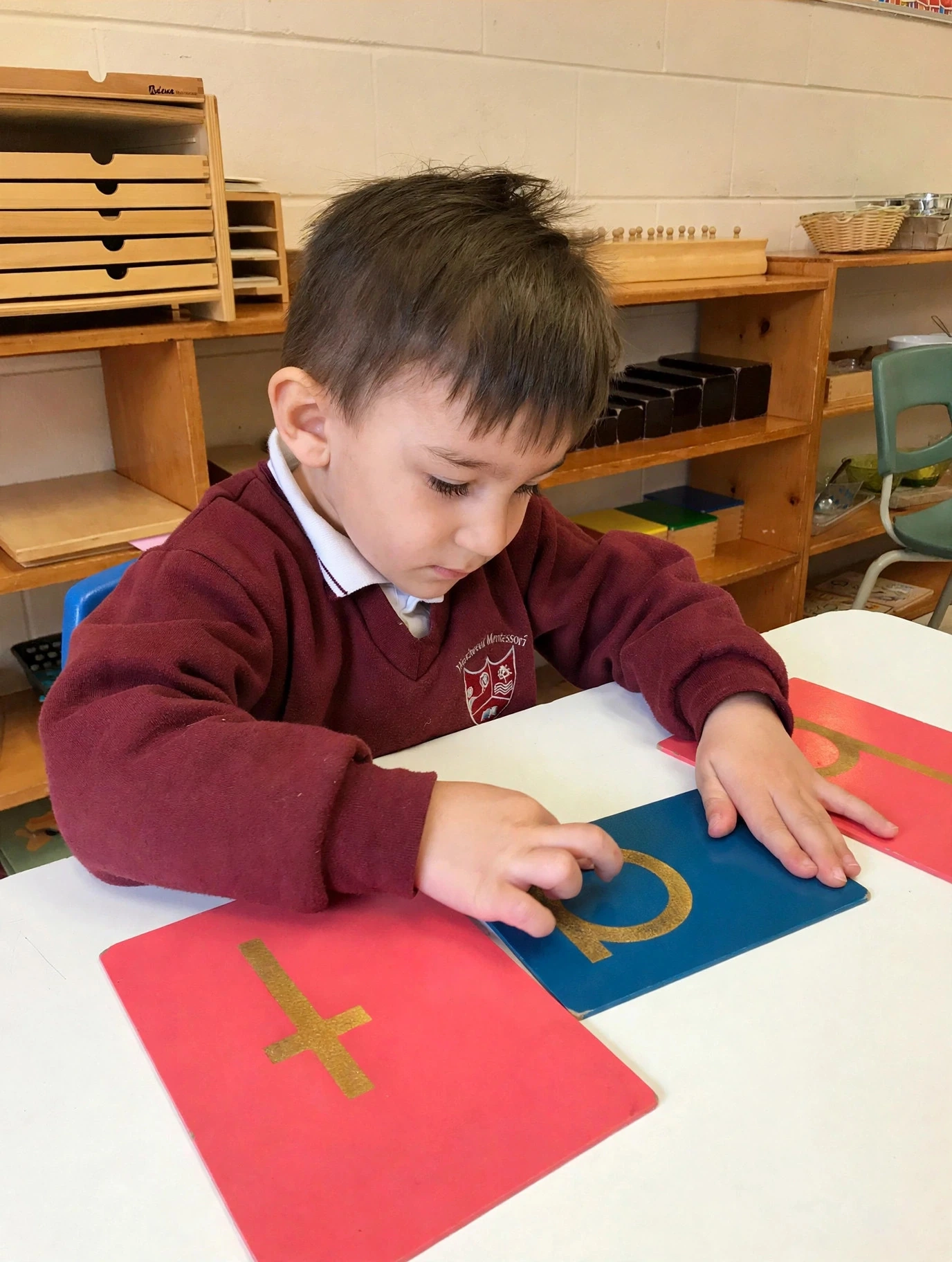
The Value of Freedom
Many children are excited about school when they first start to attend. Over time, that enthusiasm can fade, particularly when they are repeatedly asked to take part in activities that do not interest them.
Sometimes people have to do things they do not want to do; that is a necessary part of life. However, it is important to nurture a love of learning in young children. When a child develops that interest, they may become more willing to work on tasks that do not initially appeal to them.
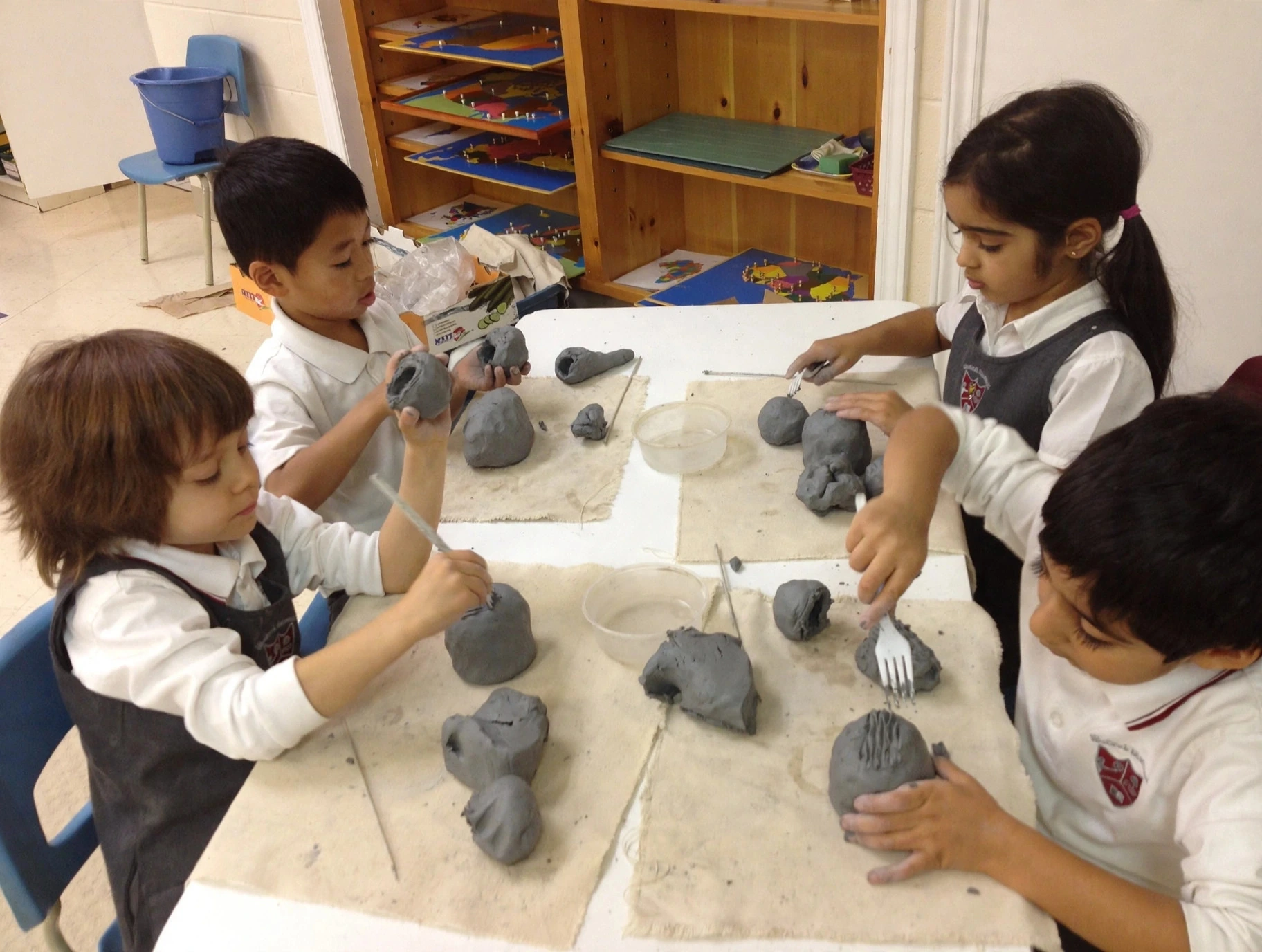
Independence and Problem-Solving Skills
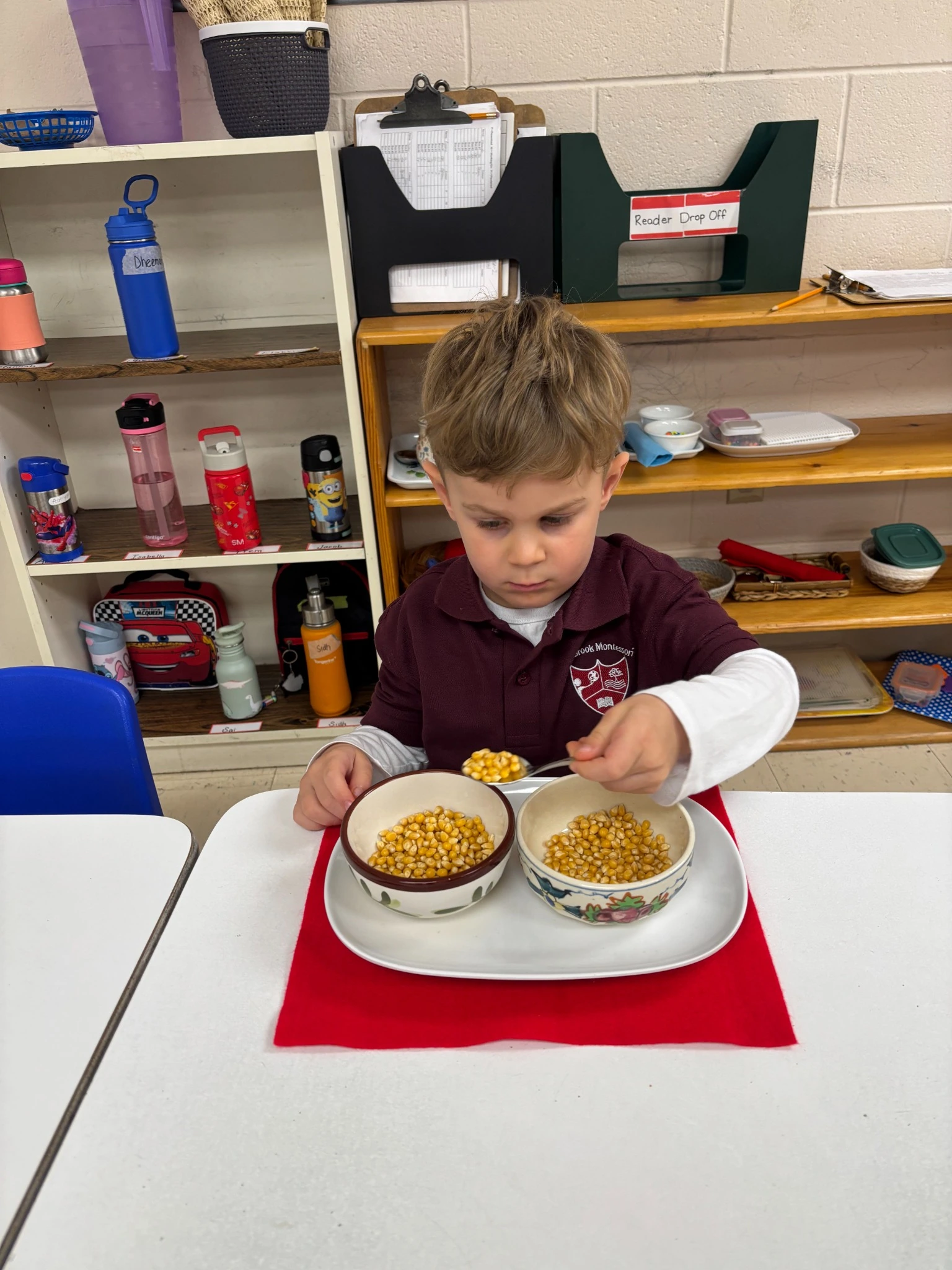
At a Montessori school, teachers help children learn to solve problems and encourage independence.
At the elementary level, children may work with their teachers to develop a learning plan, set personal goals and work towards them. These elementary examples describe the wider Montessori approach; Westbrook’s published programmes serve children from 18 months to 6 years.
The goal is to develop children’s own motivation. They take on projects because they are interested and want to explore, rather than simply because someone has told them to.
The Skills Children Learn at Montessori Schools
Montessori schools teach subjects such as mathematics, history, language and geography, but the approach can look different from a conventional classroom.
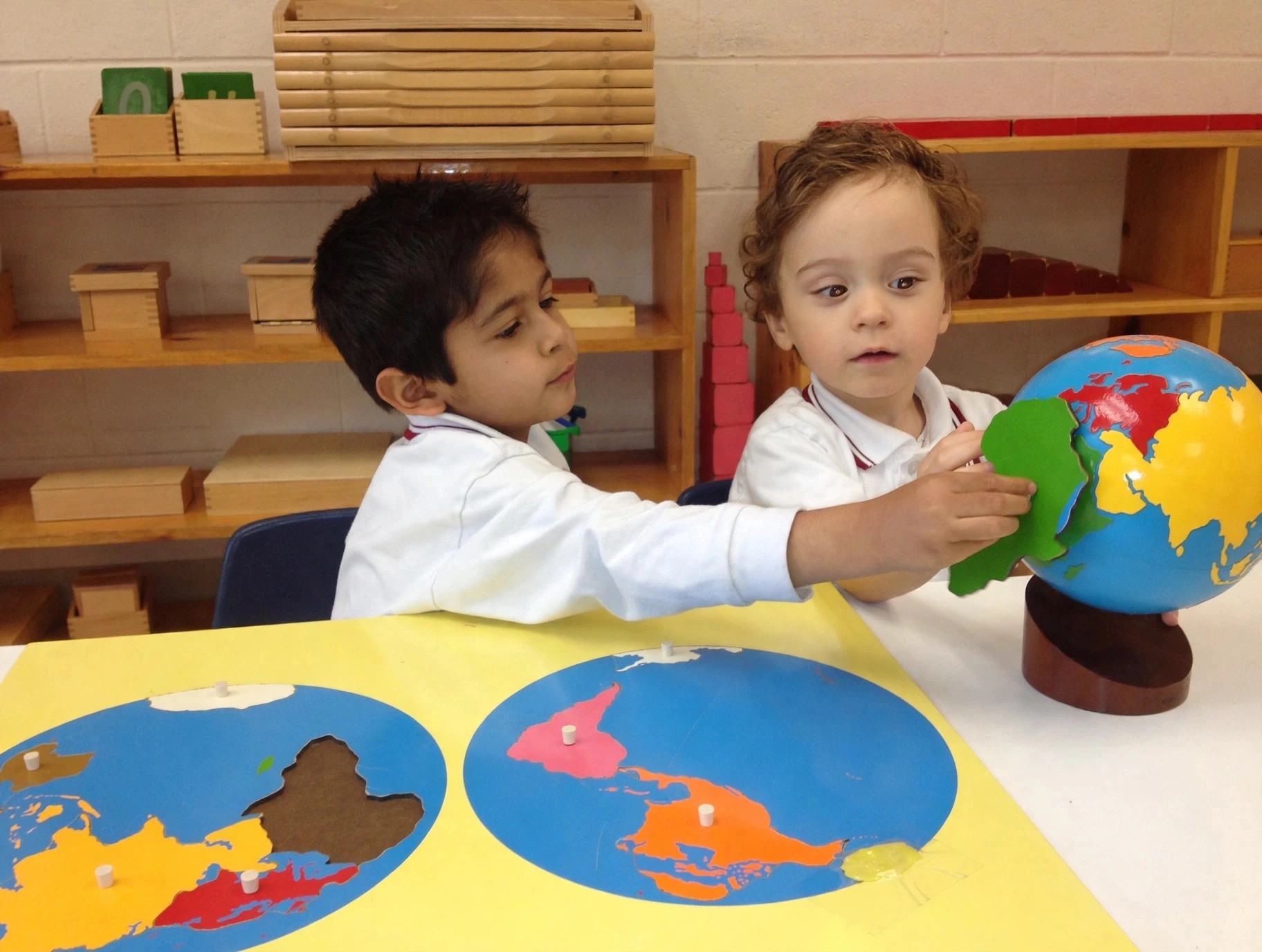
Teachers use an integrated approach. For example, when showing a child a map of the world, a teacher can connect geography with history, exploring where borders are and how they have changed over time.
These connections help students understand how different subjects relate to one another and to the world around them. Learning becomes meaningful through exploration, discussion and practical experience.
Montessori Schools and Grades
Many Montessori schools use observations and detailed progress reports rather than traditional letter grades. Some parents initially worry that this will make it harder to track their child’s progress.
The intention is to provide useful information about the skills a child is developing, the work they are practising and their next steps. Reports and parent-teacher conversations can give a fuller picture than a single grade.
The approach encourages children to work because they are engaged in learning. Reporting arrangements and the timing of conferences vary between schools, so parents should ask their school how progress is shared.
Standardized Testing
Testing requirements depend on the jurisdiction, school system and age of the student. Public Montessori schools may be required to administer standardized tests under the rules that apply to their education system.
Private Montessori schools may use different assessment methods. Parents should ask each school about its own assessment practices rather than assuming that one approach applies to every Montessori programme.
Montessori Schools and Gifted Children
Children do not all learn in the same way or at the same pace. Montessori education recognises those differences and aims to provide work suited to each child’s development.
A child who reads early or shows a strong interest in mathematics can be introduced to further challenges when ready. Teachers observe children and use that understanding to guide their learning.
Every child has individual strengths to discover and develop. Montessori programmes offer many opportunities to explore those interests while continuing to grow across different areas of learning.