Choosing a Montessori Education
Are you tired of traditional education methods that seem to stifle your child's natural curiosity and potential? Look no further! Montessori education might be the game-changer you've been searching for. This unique approach to learning has been gaining popularity worldwide, and for good reason.
Imagine a classroom where your child is encouraged to explore, learn at their own pace, and develop crucial life skills alongside academic knowledge. Sounds too good to be true? It's not! Montessori education offers all this and more, providing a holistic approach to child development that goes beyond textbooks and standardized tests.
In this article, we'll delve into the five compelling reasons why Montessori could be the perfect fit for your child. From fostering independence and self-reliance to nurturing creativity and innovation, we'll explore how this revolutionary educational method can set your child up for lifelong success. Get ready to discover why Montessori might just be the key to unlocking your child's full potential!
Fosters Independence and Self-Reliance
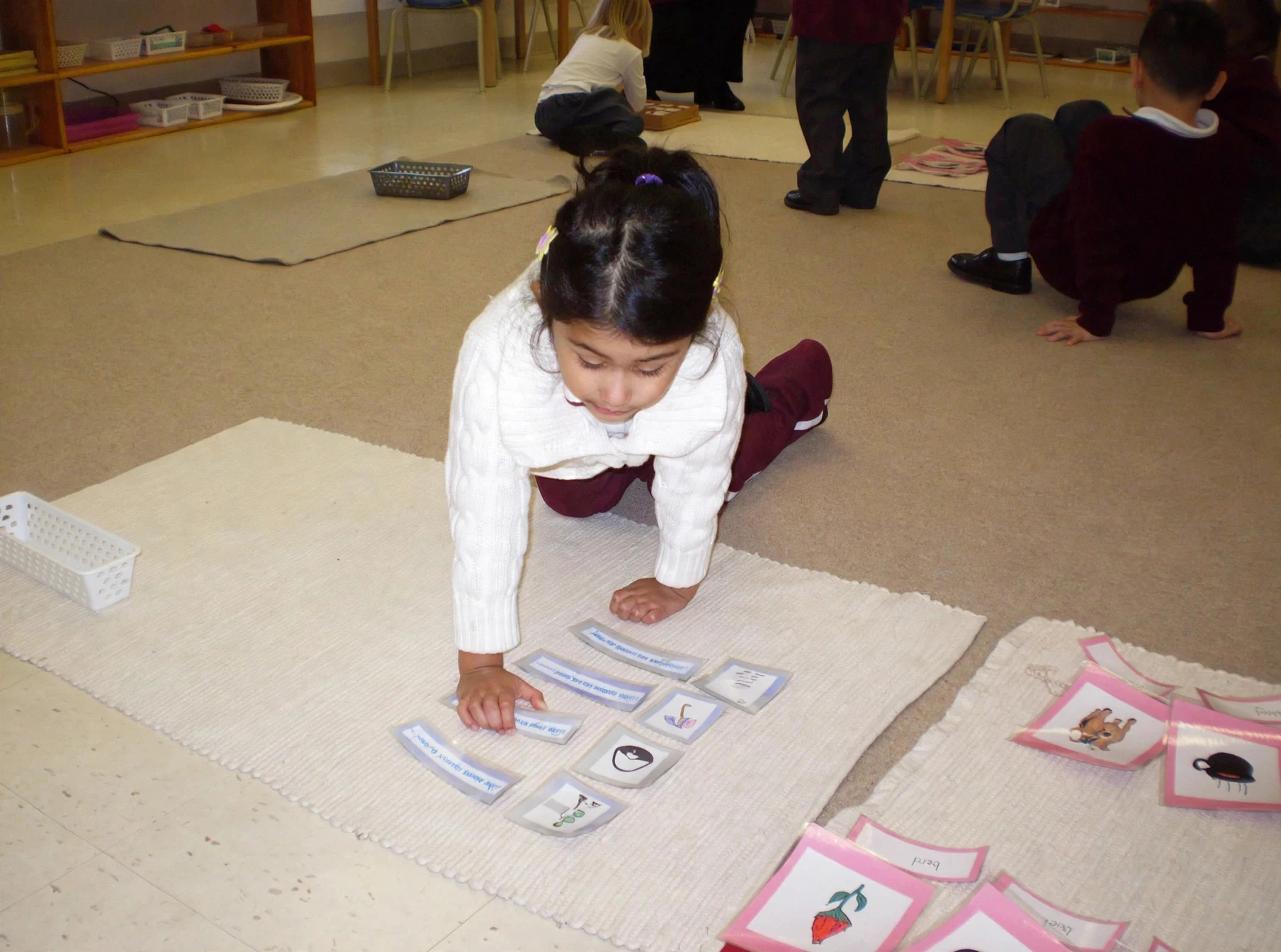
The Montessori method is renowned for its ability to cultivate independence and self-reliance in children. This approach sets the foundation for lifelong learning and personal growth.
A. Child-Centered Learning Approach
In Montessori classrooms, children are the center of the learning process. This approach allows them to:
- Choose their own activities
- Work at their own pace
- Develop a sense of ownership over their education
B. Encourages Decision-Making
Montessori education empowers children to make decisions, fostering critical thinking skills and confidence. Students learn to:
- Select materials and activities
- Manage their time effectively
- Solve problems independently
C. Customized Learning Environment
The Montessori classroom promotes independence through accessible materials, consistent routines and opportunities for children to choose and complete their own work.
D. Practical Life Skills Development
Montessori education emphasizes the importance of practical life skills, which contribute to a child's independence and self-reliance. These skills include:
- Self-care routines (e.g., dressing, grooming)
- Household tasks (e.g., cleaning, food preparation)
- Social graces and etiquette
By mastering these skills, children develop a strong sense of capability and self-confidence. This foundation of independence sets the stage for cognitive development, which we'll explore in the next section.
Promotes Cognitive Development
The Montessori method is renowned for its effective approach to promoting cognitive development in children. This educational philosophy places a strong emphasis on nurturing critical thinking skills, allowing for individualized learning paces, utilizing hands-on materials, and creating multi-age classrooms for peer learning.
A. Emphasis on Critical Thinking Skills
Montessori education goes beyond rote memorization, encouraging children to develop problem-solving abilities and analytical thinking. Through carefully designed activities, students learn to:
- Observe and analyze their environment
- Make connections between different concepts
- Develop logical reasoning skills
- Apply knowledge to real-world situations
B. Individualized Learning Pace
One of the key advantages of Montessori education is its respect for each child's unique learning journey. This approach allows for:
- Personalized instruction tailored to individual needs
- Self-paced learning that reduces stress and frustration
- Opportunities for advanced learners to explore challenging concepts
- Extra support for those who need more time to grasp certain ideas
C. Hands-on Materials for Concrete Understanding
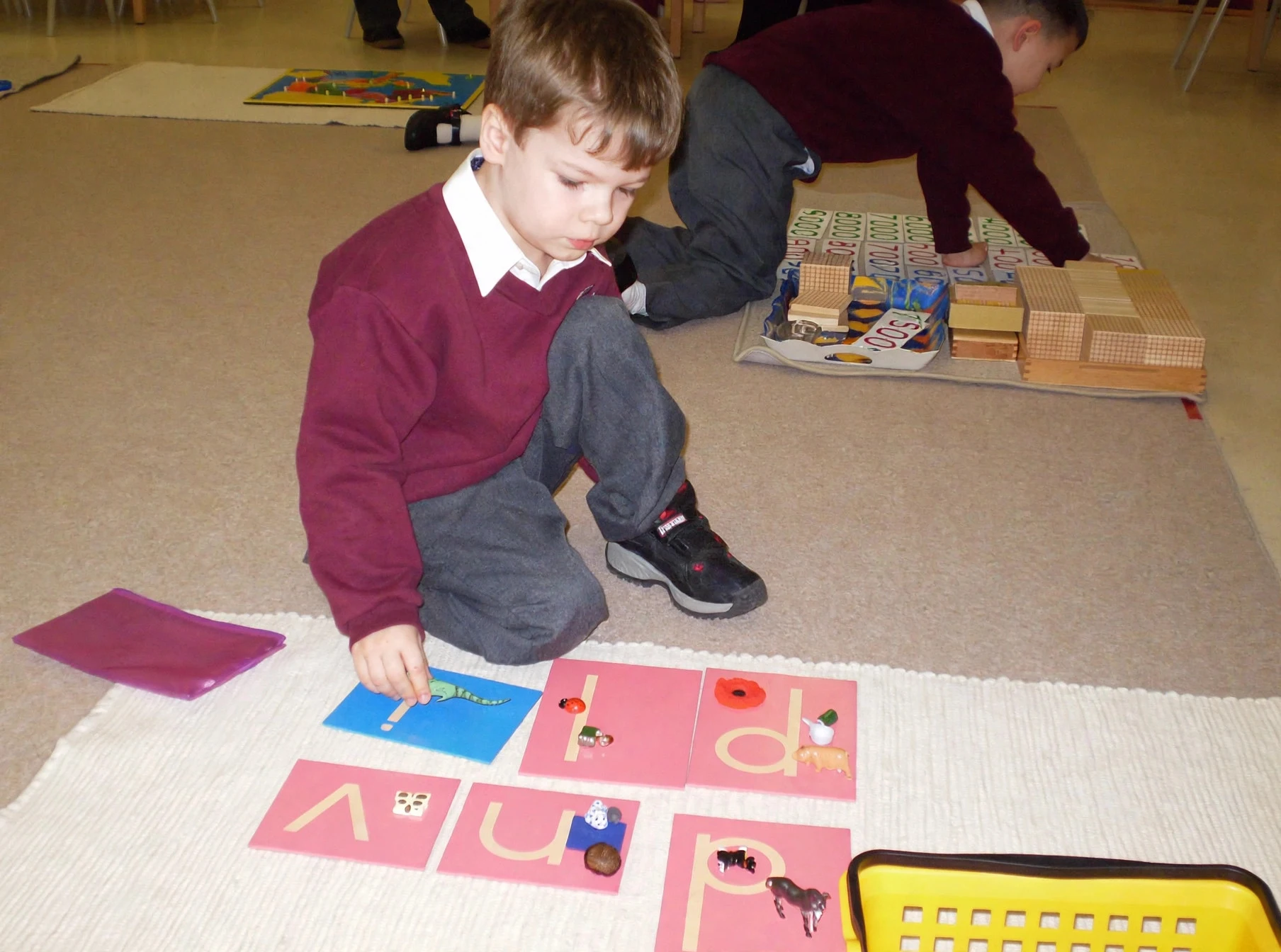
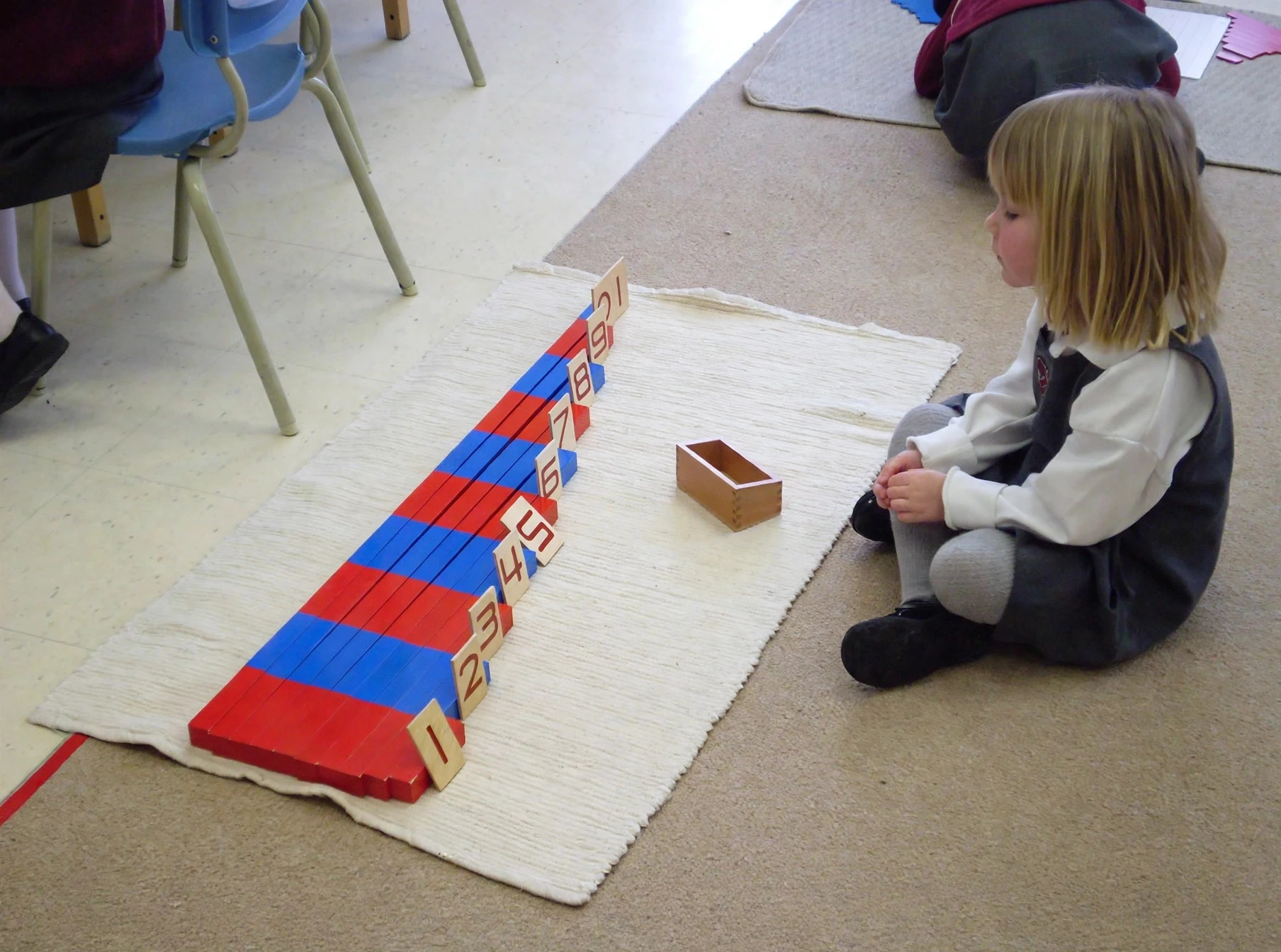
Montessori classrooms are equipped with a wide range of specially designed materials that facilitate hands-on learning experiences. These materials:
- Provide tangible representations of abstract concepts
- Allow children to explore and discover through sensory experiences
- Enhance understanding through physical manipulation of objects
- Foster a deep, intuitive grasp of complex ideas
D. Multi-Age Classrooms for Peer Learning
Multi-age classrooms give children opportunities to learn from one another, practise cooperation and develop leadership as they gain experience.
By promoting cognitive development through these varied approaches, Montessori education lays a strong foundation for lifelong learning and intellectual growth. As we explore further, we'll see how this method also cultivates social and emotional intelligence in children.
Cultivates Social and Emotional Intelligence
Montessori education goes beyond academic knowledge, placing significant emphasis on developing children's social and emotional intelligence. This holistic approach equips students with essential life skills that will serve them well into adulthood.
A. Conflict Resolution Skills
In a Montessori classroom, children learn to navigate conflicts independently. Through guided practice and role-playing, they develop:
- Active listening skills
- Assertive communication techniques
- Problem-solving strategies
These skills empower children to resolve disputes peacefully and maintain positive relationships with their peers.
B. Emotional Regulation Techniques
Montessori education provides children with tools to understand and manage their emotions effectively. Some key techniques include:
- Mindfulness exercises
- Breathing techniques
- Self-reflection activities
By mastering these techniques, children become more self-aware and better equipped to handle stress and challenging situations.
C. Collaborative Learning Opportunities
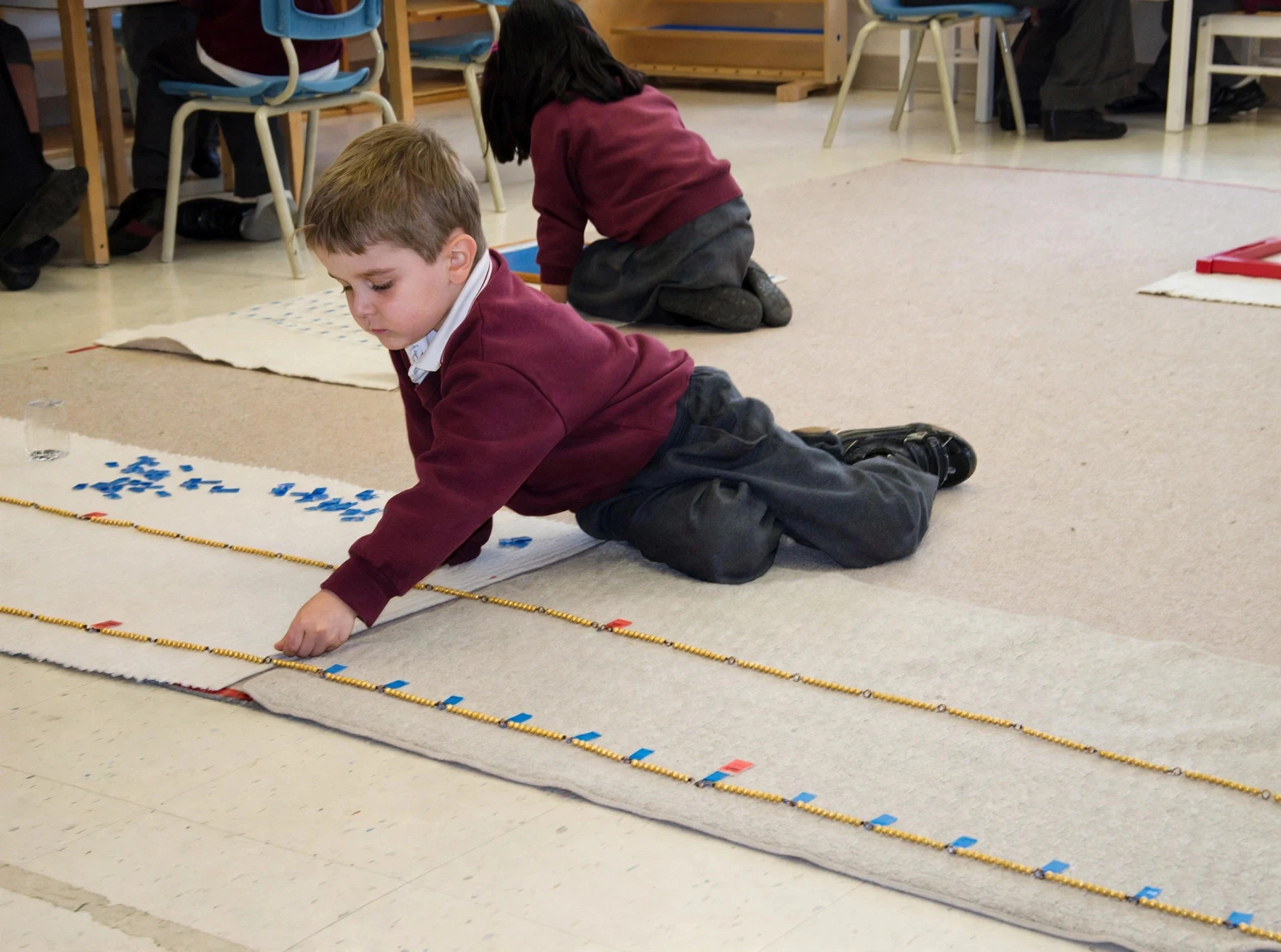
Children practise collaboration through shared activities, helping classmates and learning to communicate respectfully.
These collaborative experiences foster a sense of community and prepare children for future teamwork scenarios.
D. Respect for Self and Others
Montessori education instills a deep sense of respect, both for oneself and for others. This is achieved through:
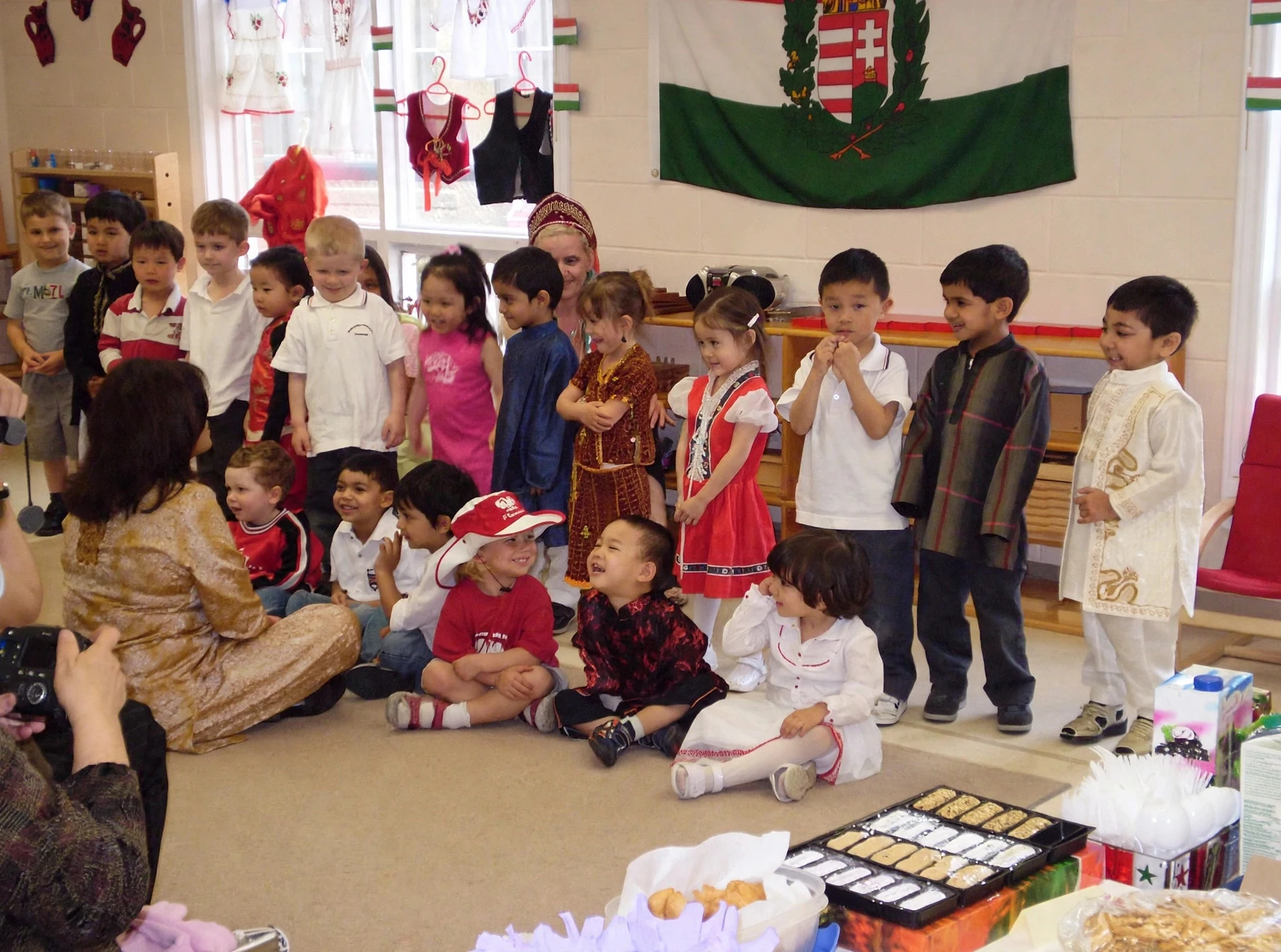
- Teaching cultural diversity and appreciation
- Encouraging personal responsibility
- Promoting empathy and kindness
By nurturing these values, Montessori helps children develop strong interpersonal skills and a positive self-image.
As we've seen, Montessori education excels in cultivating social and emotional intelligence. This foundation sets the stage for our next topic: how Montessori nurtures creativity and innovation in children.
Nurtures Creativity and Innovation
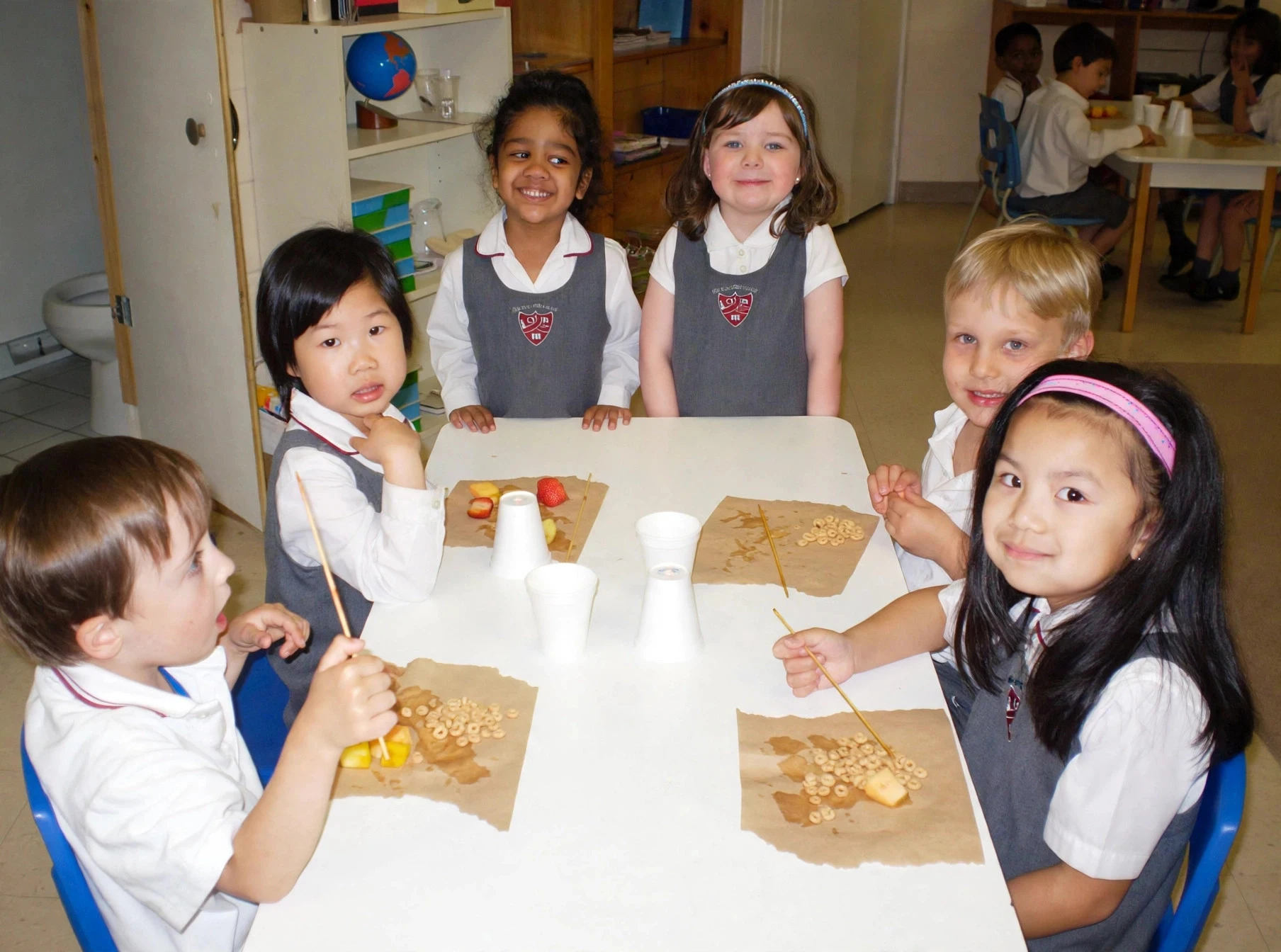
Montessori education stands out in its ability to nurture creativity and foster innovation in children. This approach provides a unique environment that encourages original thinking and allows children to explore their interests freely.
Encouragement of Original Thinking
Children are encouraged to explore possibilities and develop their own solutions. Open-ended activities give them time to experiment, make discoveries and express original ideas.
Integration of Arts and Sciences
Montessori education seamlessly blends arts and sciences, recognizing their interconnectedness:
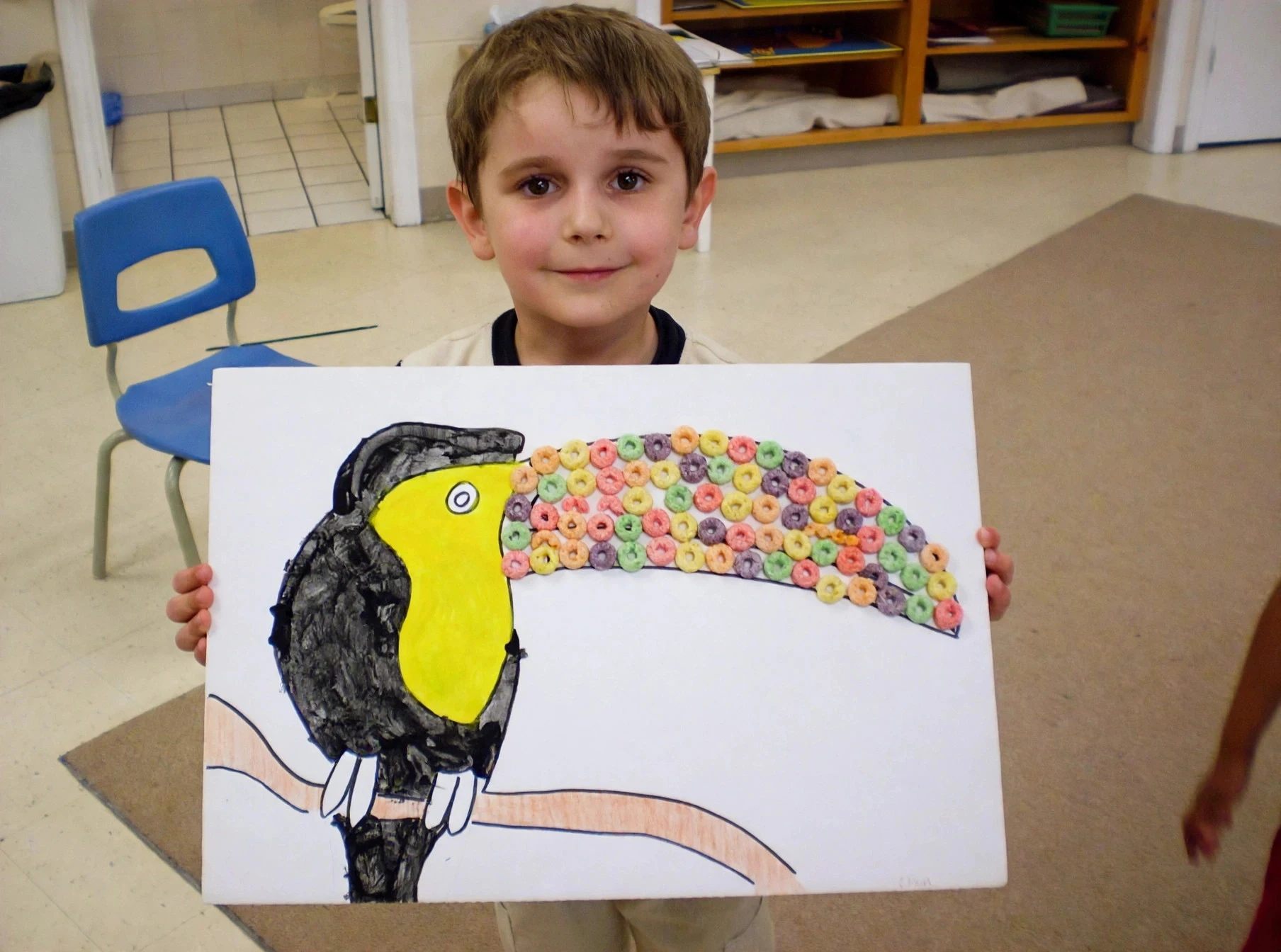
- Art projects inspired by scientific concepts
- Scientific explorations enhanced by artistic expression
- Holistic approach to learning subjects
Freedom to Pursue Interests
One of the cornerstones of Montessori education is allowing children the freedom to pursue their interests:
- Self-directed learning
- Flexible curriculum
- Extended work periods
- Choice of activities
This freedom not only enhances creativity but also instills a love for learning that lasts a lifetime.
Open-Ended Materials for Exploration
Montessori classrooms are equipped with specially designed materials that encourage open-ended exploration:
- Sensorial materials for developing perception
- Manipulatives for understanding mathematical concepts
- Natural materials for scientific discovery
These materials allow children to experiment, make mistakes, and learn through hands-on experiences, fostering both creativity and innovation.
By nurturing creativity and innovation, Montessori education prepares children to be adaptable, inventive thinkers. This approach not only enhances their educational experience but also equips them with valuable skills for future success in an ever-changing world.
Prepares Children for Future Success
Montessori education goes beyond traditional schooling by equipping children with essential skills and attitudes that set them up for long-term success. Here's how Montessori prepares children for a bright future:
A. Global Perspective and Cultural Awareness
Montessori classrooms foster a deep appreciation for diversity and cultural understanding. Through activities like:
- Exploring world maps and globes
- Studying different cultures and traditions
- Learning multiple languages
Children develop a global mindset that's crucial in our interconnected world.
B. Strong Foundation for Lifelong Learning
The Montessori method instills a love for learning that extends far beyond the classroom. By encouraging:
- Self-directed exploration
- Hands-on experiences
- Critical thinking skills
Children become enthusiastic, lifelong learners equipped to tackle future challenges.
C. Adaptability to Different Learning Environments
Children practise adapting to new experiences through independent choices, collaborative work and opportunities to learn alongside classmates of different ages.
D. Cultivation of Intrinsic Motivation
Rather than relying on external rewards, Montessori fosters internal drive and satisfaction. This intrinsic motivation is key to:
- Setting and achieving personal goals
- Overcoming obstacles
- Pursuing continuous self-improvement
E. Development of Executive Functioning Skills
Montessori education places a strong emphasis on developing executive functioning skills, which are crucial for future success. These skills include:
- Time management
- Organization
- Planning and prioritizing
- Task initiation
- Emotional regulation
By honing these skills early on, children are better prepared to handle complex tasks and responsibilities in their future academic and professional lives.
Now that we've explored how Montessori prepares children for future success, it's clear that this educational approach offers far-reaching benefits that extend well beyond the early years.
Choosing the right educational approach for your child is a crucial decision, and Montessori offers numerous benefits that can set them up for lifelong success. By fostering independence, promoting cognitive development, cultivating emotional intelligence, nurturing creativity, and preparing children for future challenges, Montessori education provides a holistic foundation for growth.
As you consider your child's educational journey, remember that Montessori's child-centered approach can help unlock their full potential. By embracing this innovative method, you're not just investing in your child's academic future, but also in their personal development and ability to thrive in an ever-changing world. Give your child the gift of a Montessori education and watch them flourish into confident, capable, and compassionate individuals.