What Is Raising the Bar?
Raising the Bar in Peel is a continuous quality enhancement initiative supported locally by Child Development Resource Connection Peel (CDRCP). It helps early years programmes strengthen practice through reflection, shared learning and purposeful goals.
Its foundations include lifelong learning, reflective practice, mentorship, leadership and collaborative inquiry. The emphasis is on continuing to learn as educators and using that learning to improve children’s everyday experiences.
Why It Matters for Children and Families
For a child, quality is felt in everyday moments: being welcomed, having time to concentrate, receiving patient guidance and feeling comfortable asking for help. A school’s approach to improvement matters because these small experiences shape the day.
For families, the important conversation goes beyond the classroom materials. How do adults respond to a child’s interests? How are routines supporting independence? How does the learning environment change as children grow?
A commitment to reflection keeps those questions part of the work of education. It encourages adults to look closely at what is helping children and where a different approach could make a difference.
How It Connects to Westbrook
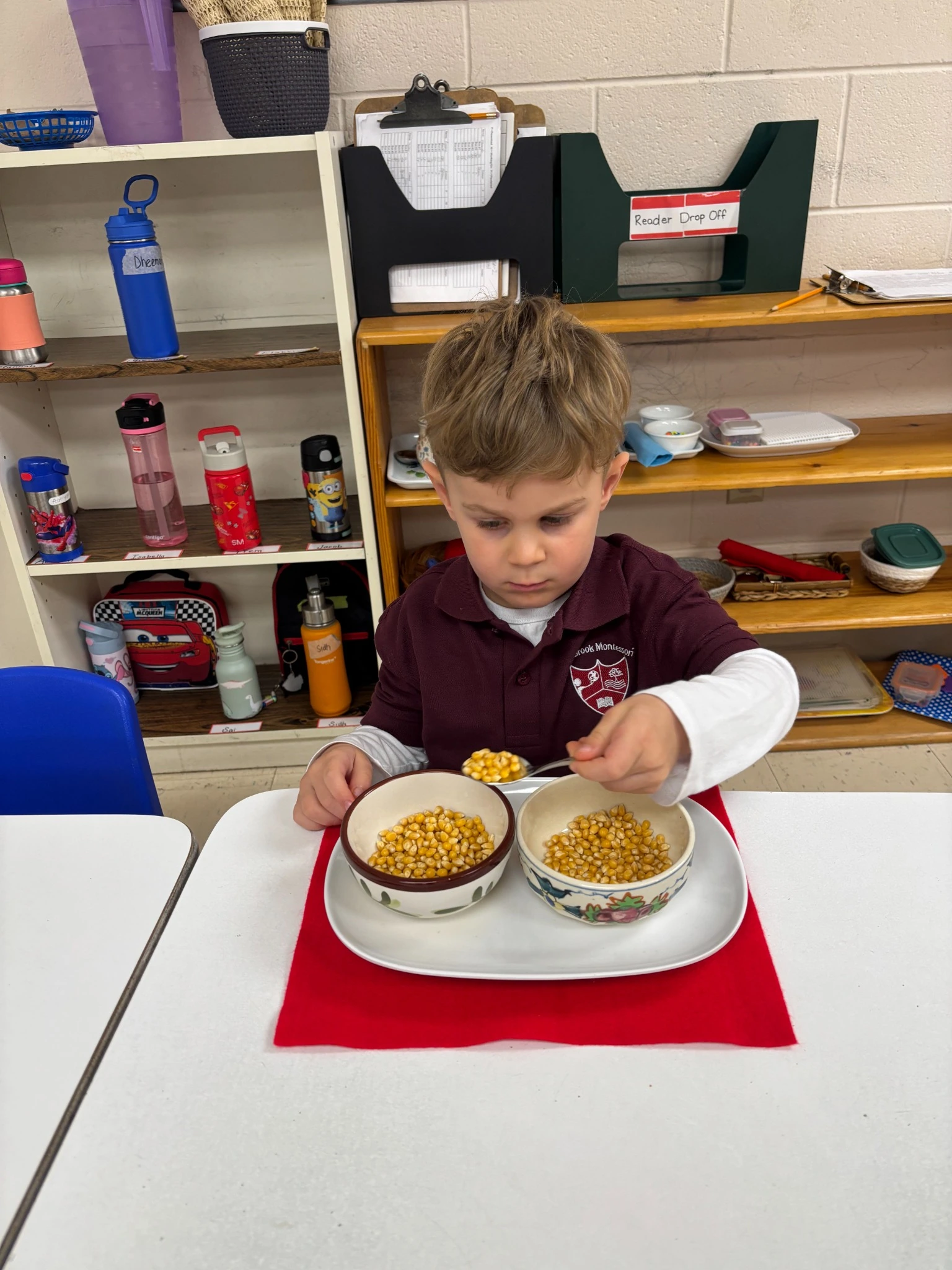
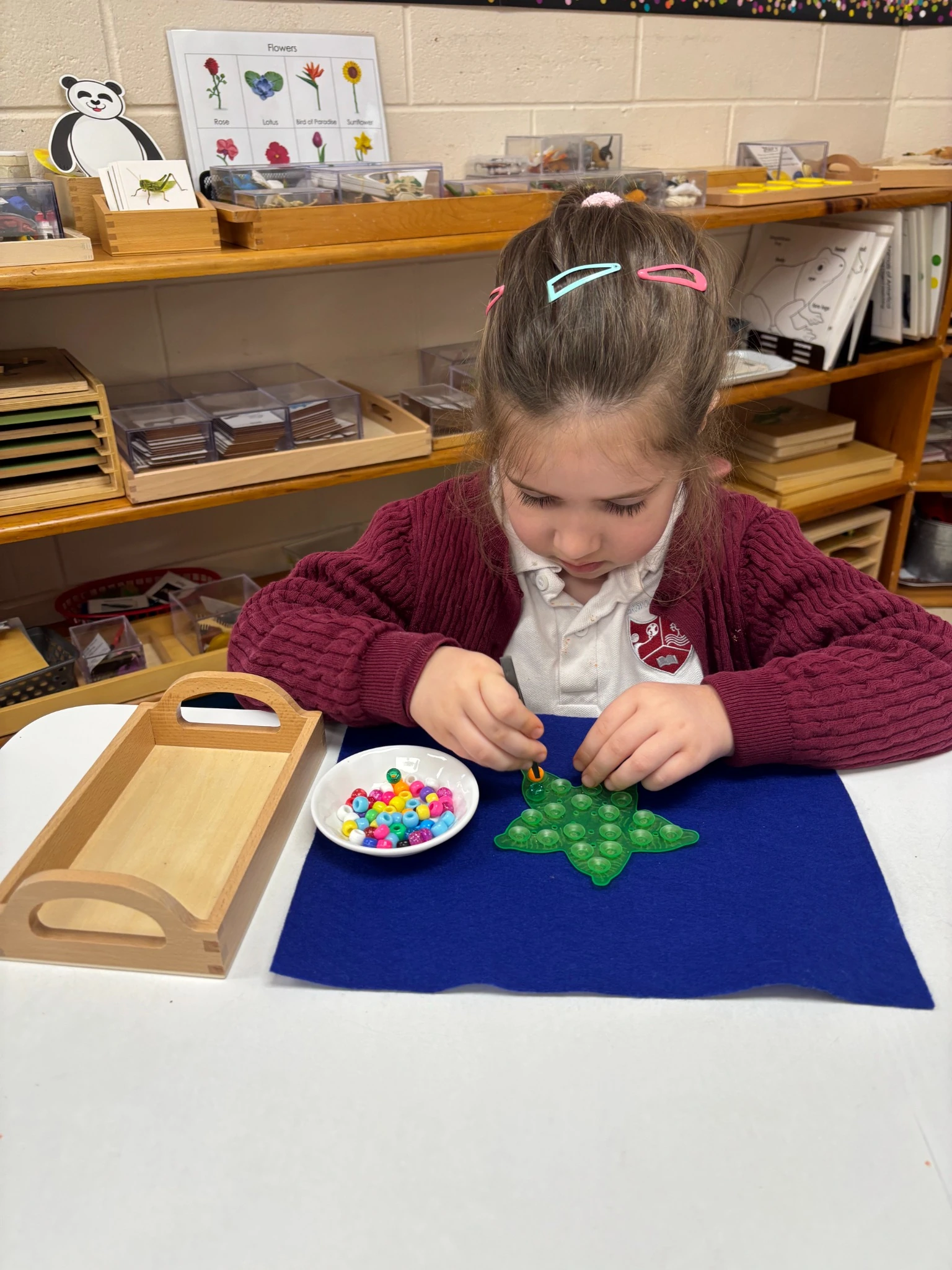
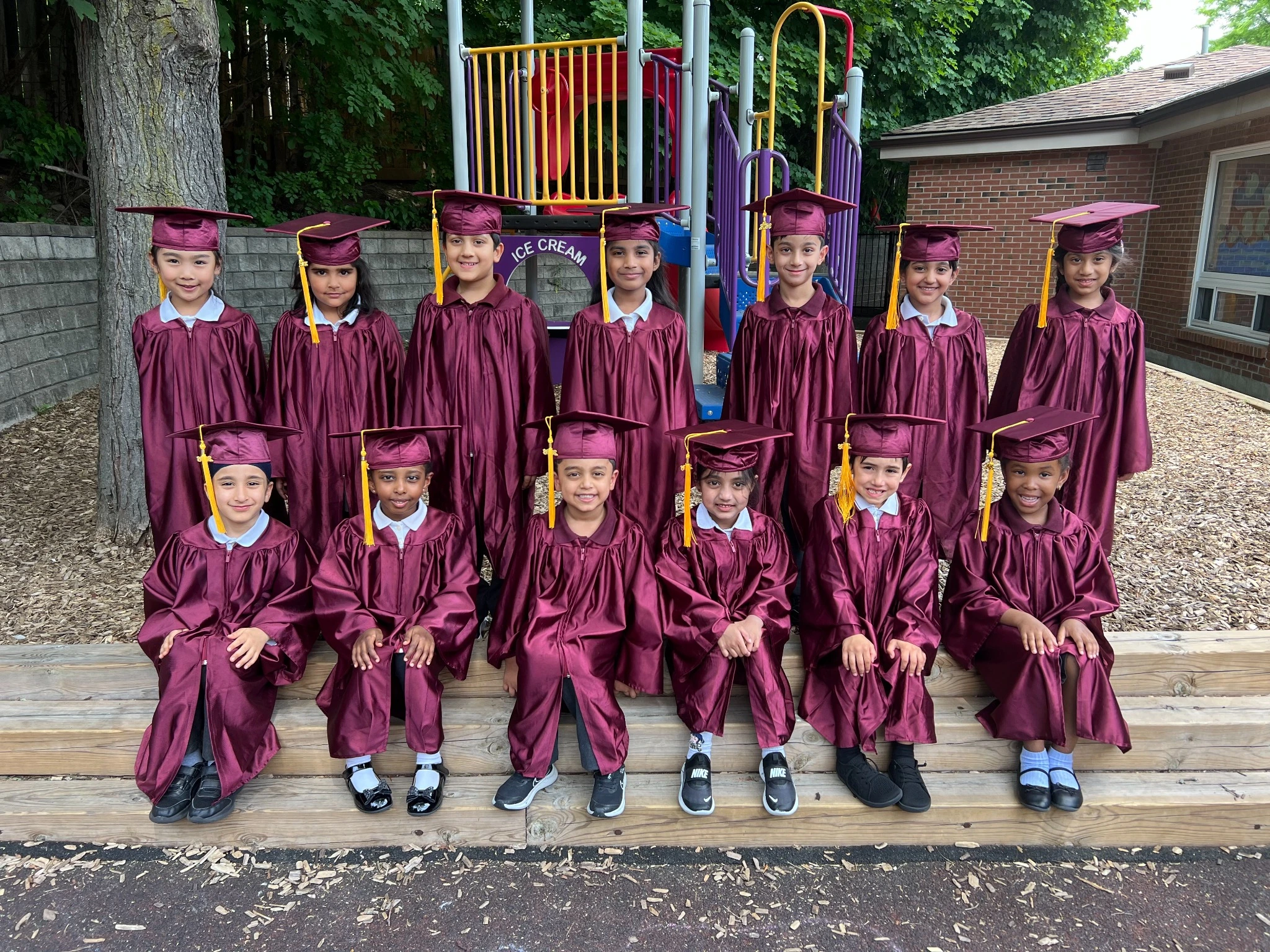
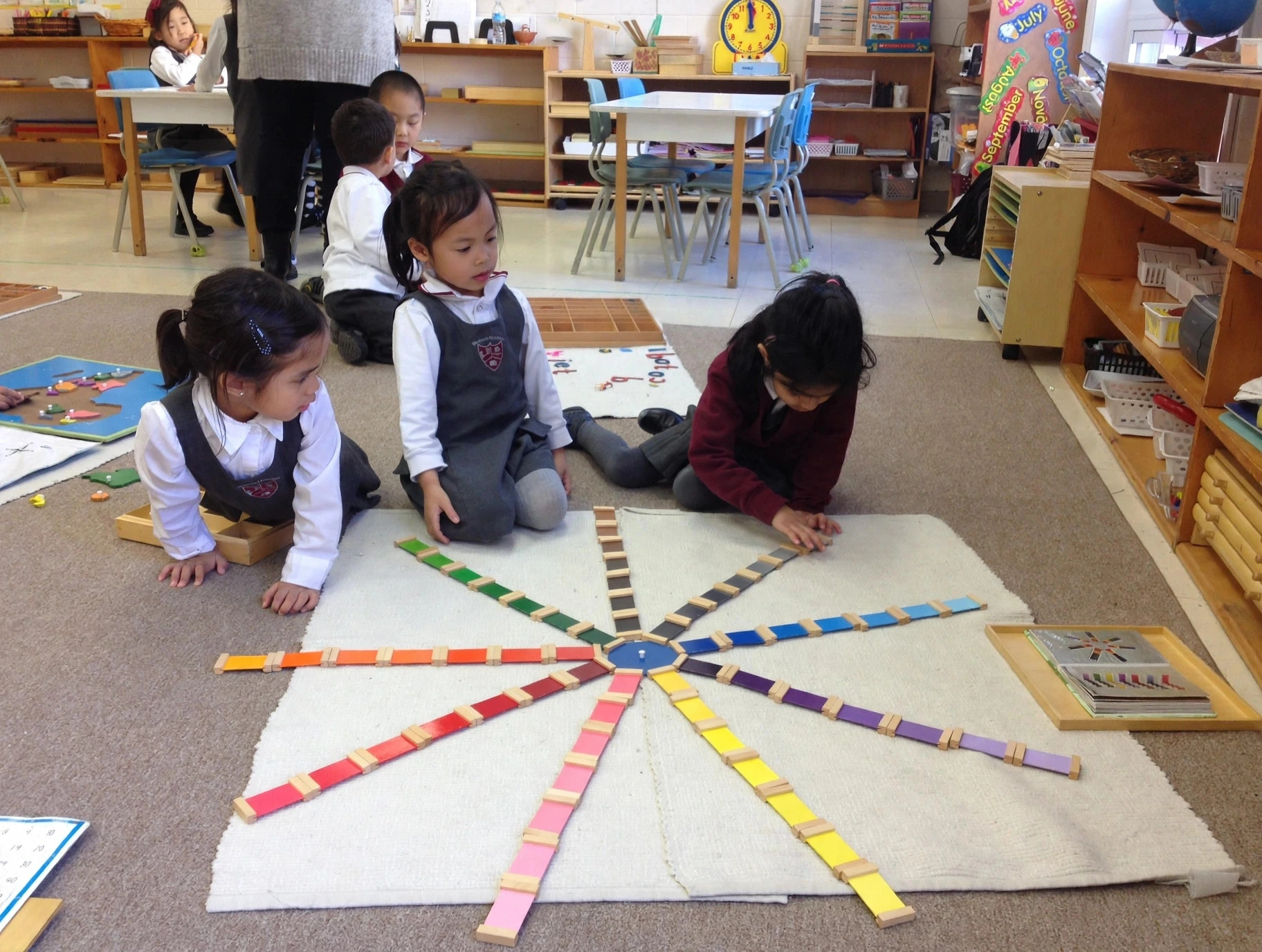
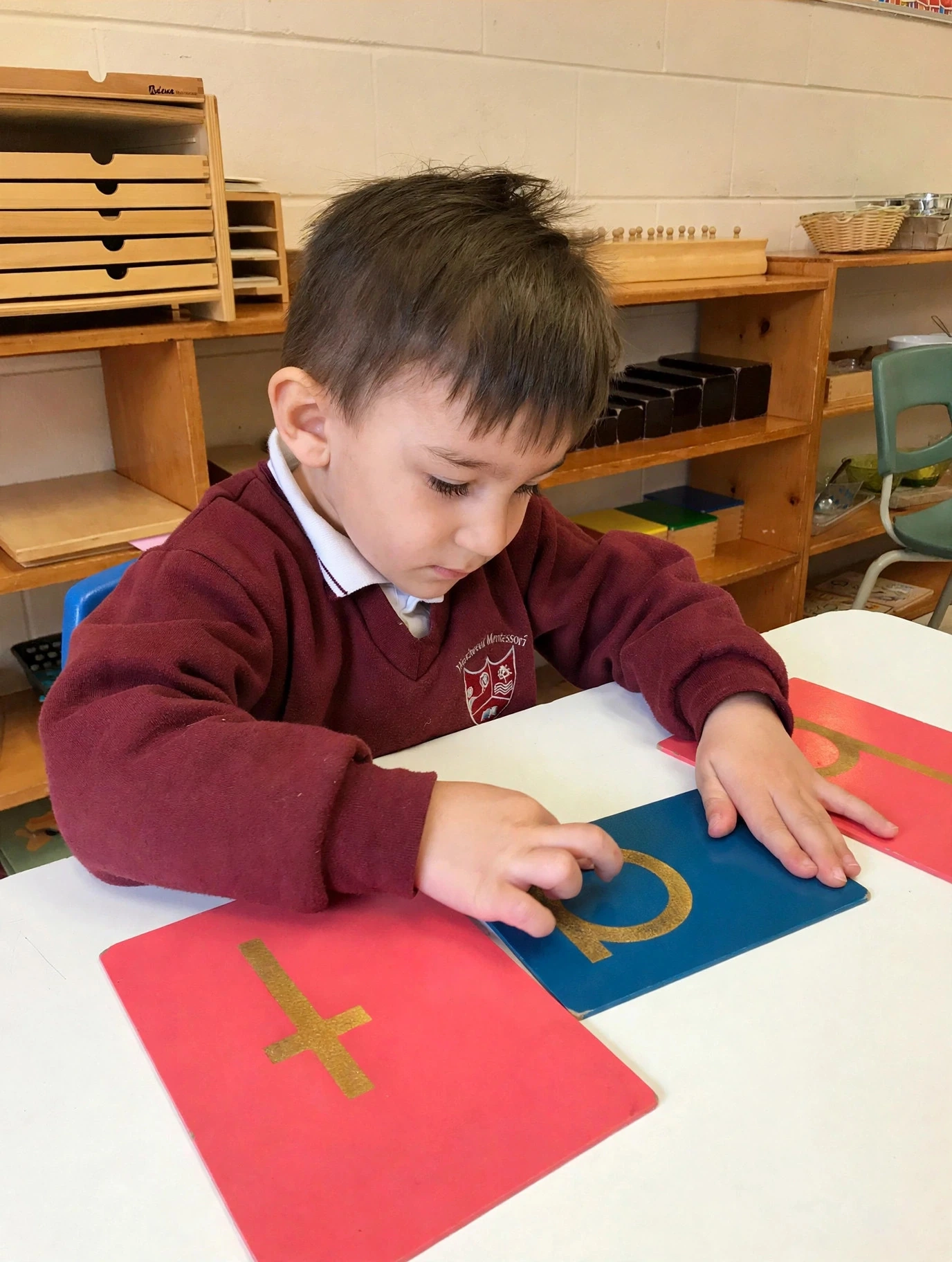
Westbrook Montessori Academy offers the best possible education based on the Montessori philosophy. The motto of our school is “Seek to Achieve” which is used as a benchmark when engaging and inspiring students to learn. Westbrook Montessori provides plenty of opportunities for children, 18 months to 6 years of age, to practice their skills in a fun and challenging environment. The school achieves a learning environment that is conducted with love and respect for one another.
The connection is clear: children are encouraged to keep developing, and the adults who guide them should keep learning too. Montessori observation, respect for individual development and carefully prepared environments provide a meaningful starting point for that reflection.
Raising the Bar adds a wider early years perspective to this conversation about care. It complements Westbrook’s Montessori identity while keeping attention on the experience of each child.
From Reflection to Purposeful Action
CDRCP describes an approach that supports professional capacity through goals and action. Mentorship and collaboration give educators opportunities to consider ideas together and learn from one another.
In a Montessori setting, useful questions might include whether materials are accessible to children, whether a transition allows enough time, or whether an activity offers the right balance of challenge and independence. These are examples of reflective questions, rather than a checklist of programme requirements.
Improvement becomes meaningful when it connects to something a child can experience: a more inviting space, a clearer routine, or guidance that makes room for growing confidence.