A Pioneer in Childhood Education
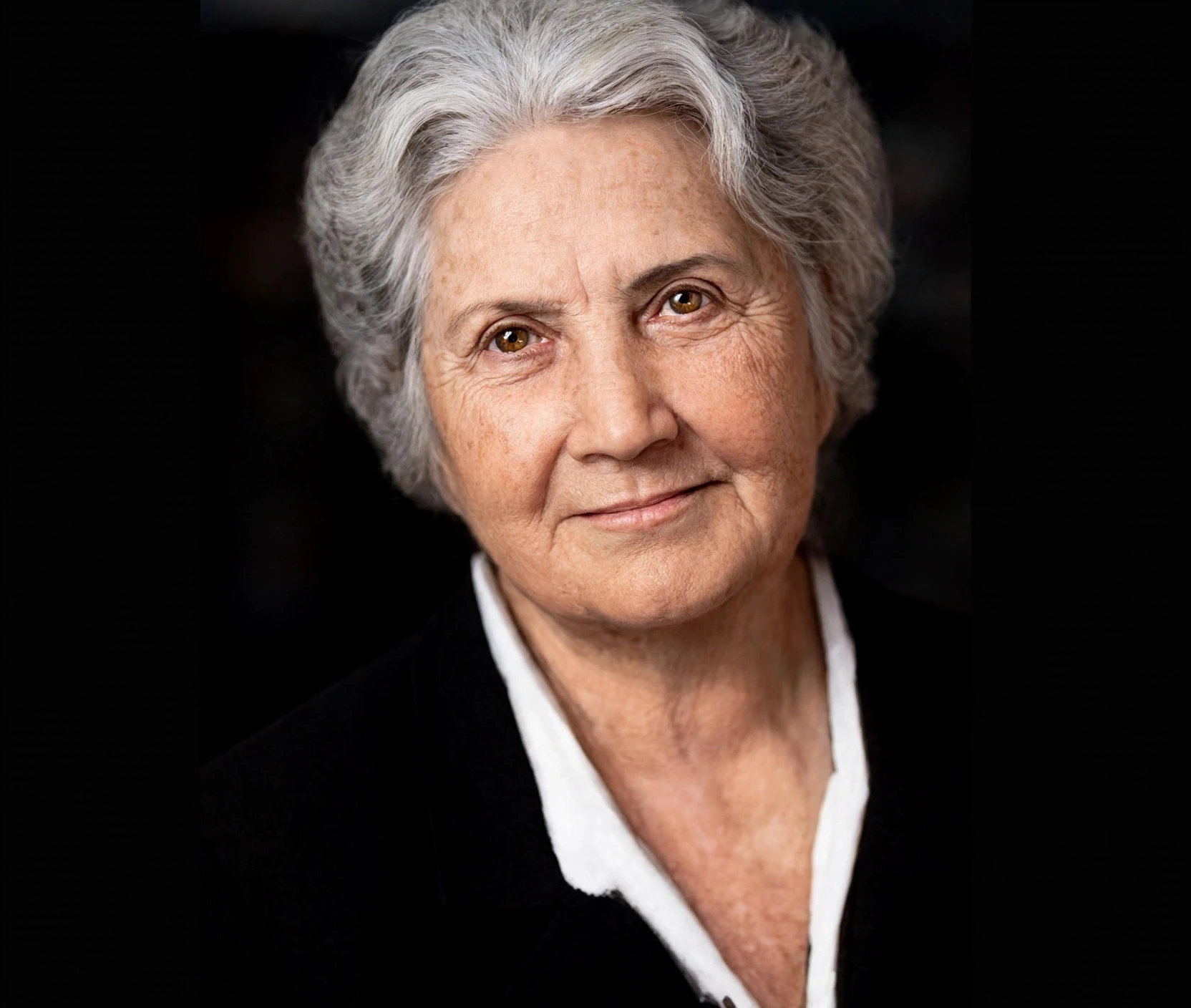
Maria Montessori was born in Italy in 1870. She grew up in Rome, enjoyed studying and pursued an education at a time when women had limited opportunities in many professions.
Her path towards medicine required persistence and additional study. She was eventually accepted at the University of Rome and became one of Italy’s early women physicians.
Her early medical work included psychiatry. She developed an interest in childhood education and studied educational theory, observing approaches used with children with developmental and intellectual disabilities.
The First Children’s House
In 1907, Montessori was given the opportunity to open a childcare centre in an inner-city area of Rome. This became the Casa dei Bambini, or Children’s House.
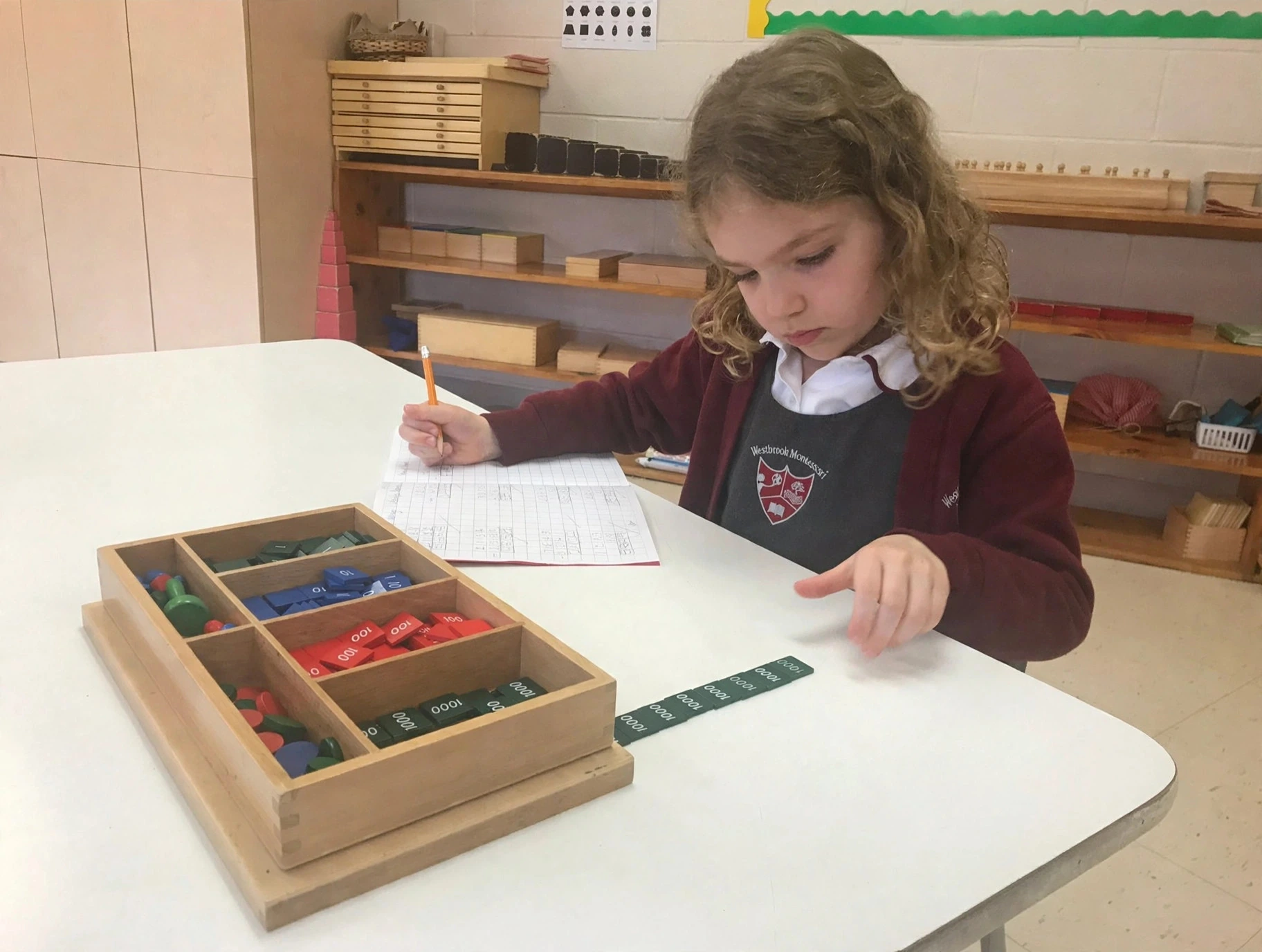
Through observation, she saw how children responded to practical tasks, puzzles and materials they could handle. Activities involving mathematical ideas and everyday skills offered opportunities for concentration and growing independence.
She concluded that children learn actively from their surroundings. An environment prepared for their needs could support their own efforts to explore and understand.
The Montessori Method
The Children’s House attracted attention, and Montessori’s educational approach became known internationally. She devoted much of her life to teaching, lecturing and helping others understand her methods.
Montessori classrooms often bring together children of different ages, including groups spanning approximately ages 3 to 6. Children choose activities within a carefully prepared range of options, supported by a trained teacher.
An uninterrupted work period gives children time to concentrate, repeat an activity and develop understanding. The length and daily arrangement of that period depend on the programme and age group.
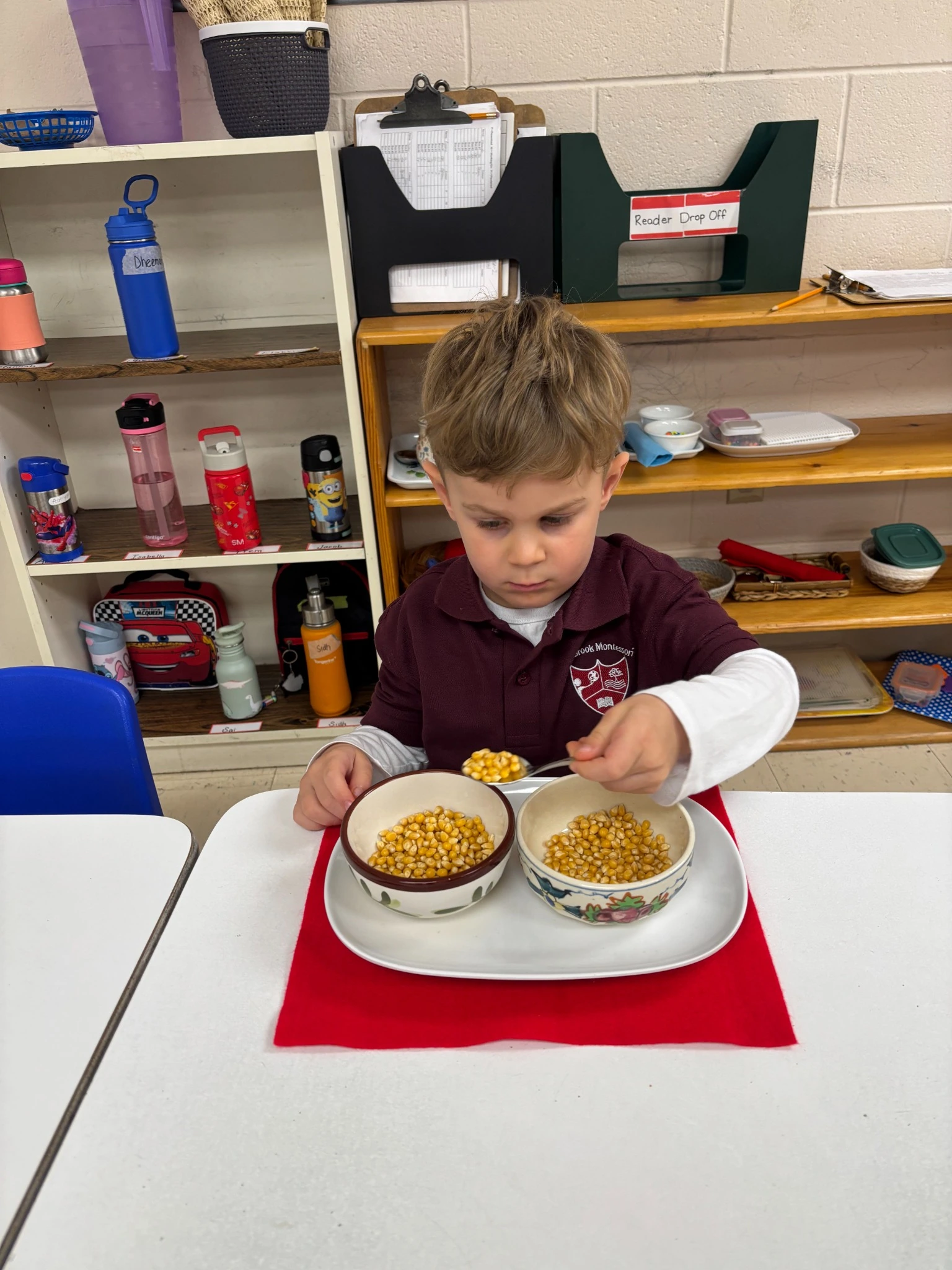
Learning through discovery is central: children work with materials that help them explore concepts through experience, with presentations and guidance from their teacher.
Montessori Materials
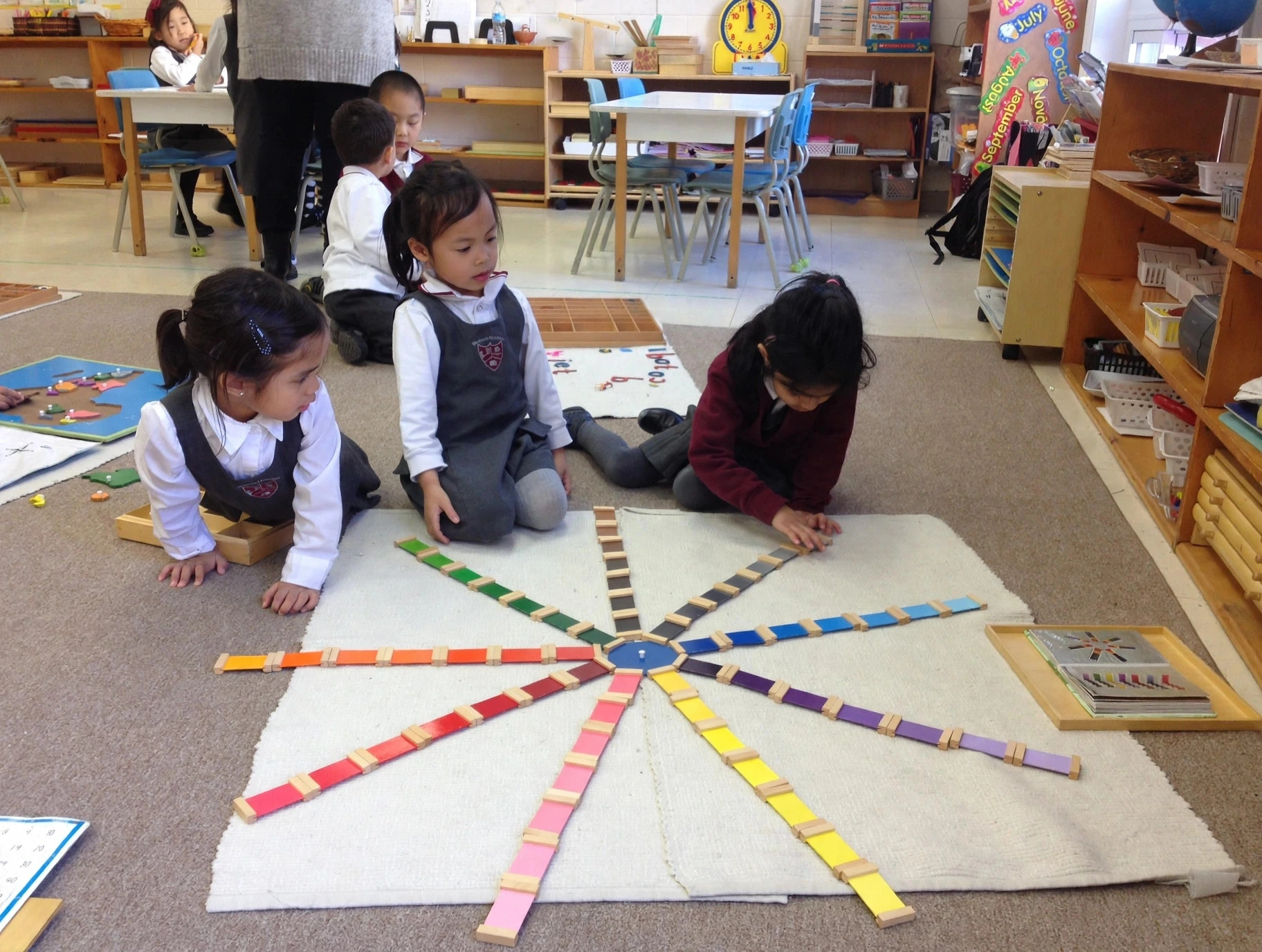
Montessori materials were developed to support purposeful activity and make ideas accessible through the senses. Many classroom materials reflect designs developed by Montessori and refined through years of educational practice.
Freedom of movement allows children to select and carry out work rather than remain in a formal seat throughout the day. A trained Montessori teacher prepares the environment, introduces materials and observes children’s progress.
The approach includes social and practical skills alongside academic learning. Caring for materials, communicating with classmates and completing everyday tasks are part of a broad education that supports the whole child.