The Beginnings of an Educational Philosophy
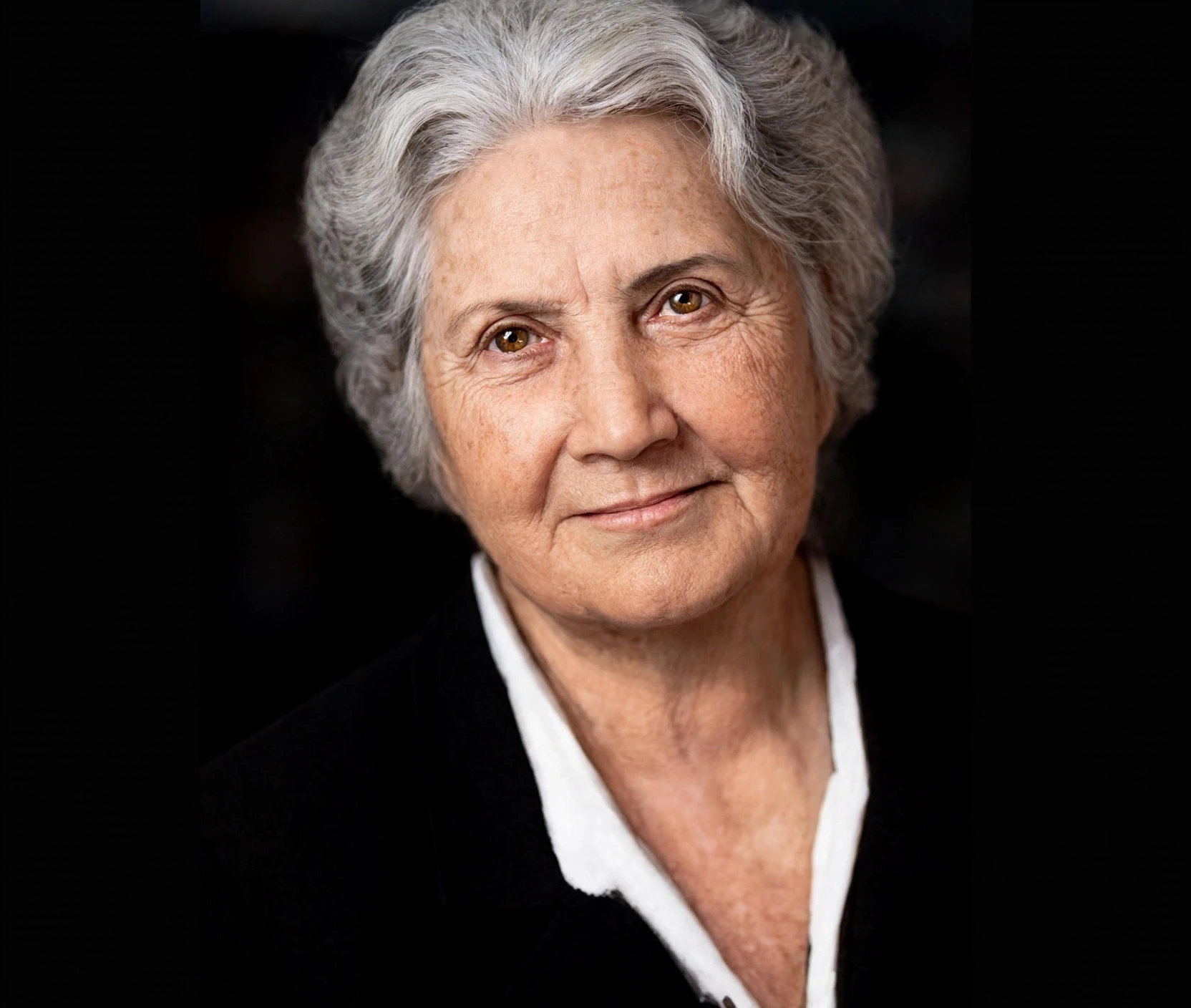
The Montessori philosophy grew from the work of Maria Montessori. During the late nineteenth century, she studied pedagogy, or the theory of teaching, alongside her medical and scientific interests.
Her studies at the University of Rome and her reading of earlier educational theories helped inform her work. She combined that knowledge with direct observation of children.
In 1907, she opened the Casa dei Bambini, or Children’s House, in a housing development in Rome, Italy. It became an important setting for developing her approach to early education.
The Basis of Montessori
From the beginning, Montessori used observation and experimentation to supplement her knowledge of educational theory. She watched how children responded to their surroundings and revised her methods accordingly.
This scientific approach to teaching led her to describe her work as scientific pedagogy. Instead of assuming that every child should respond to the same instruction in the same way, she studied what children did and what helped them learn.
Montessori in the United States
Within a few years of the first classroom in Rome, Montessori education had spread to the United States. The first American schools appeared in the early twentieth century.
The approach attracted interest as well as criticism. Its early growth in the United States was followed by a period of reduced visibility before renewed interest in the 1960s.
What Is the Montessori Model?
The model developed through Montessori’s work and later contributions from other educators. It considers development from birth into adulthood, with different educational environments suited to different stages.
Early programmes commonly distinguish birth to age 3, ages 3 to 6 and ages 6 to 12. Montessori also explored an approach for adolescents. These wider stages describe Montessori education generally; Westbrook’s programmes serve children from 18 months to 6 years.
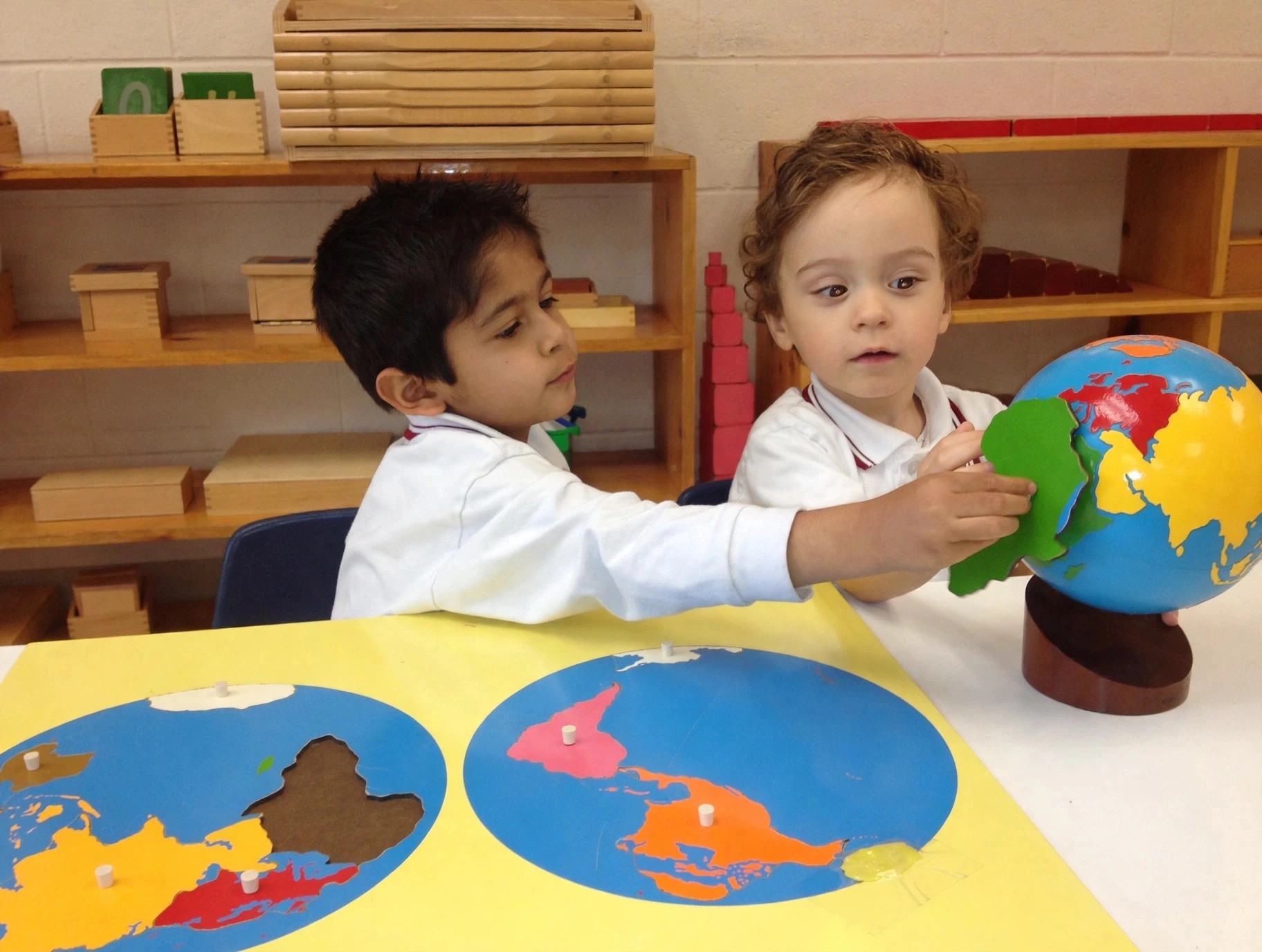
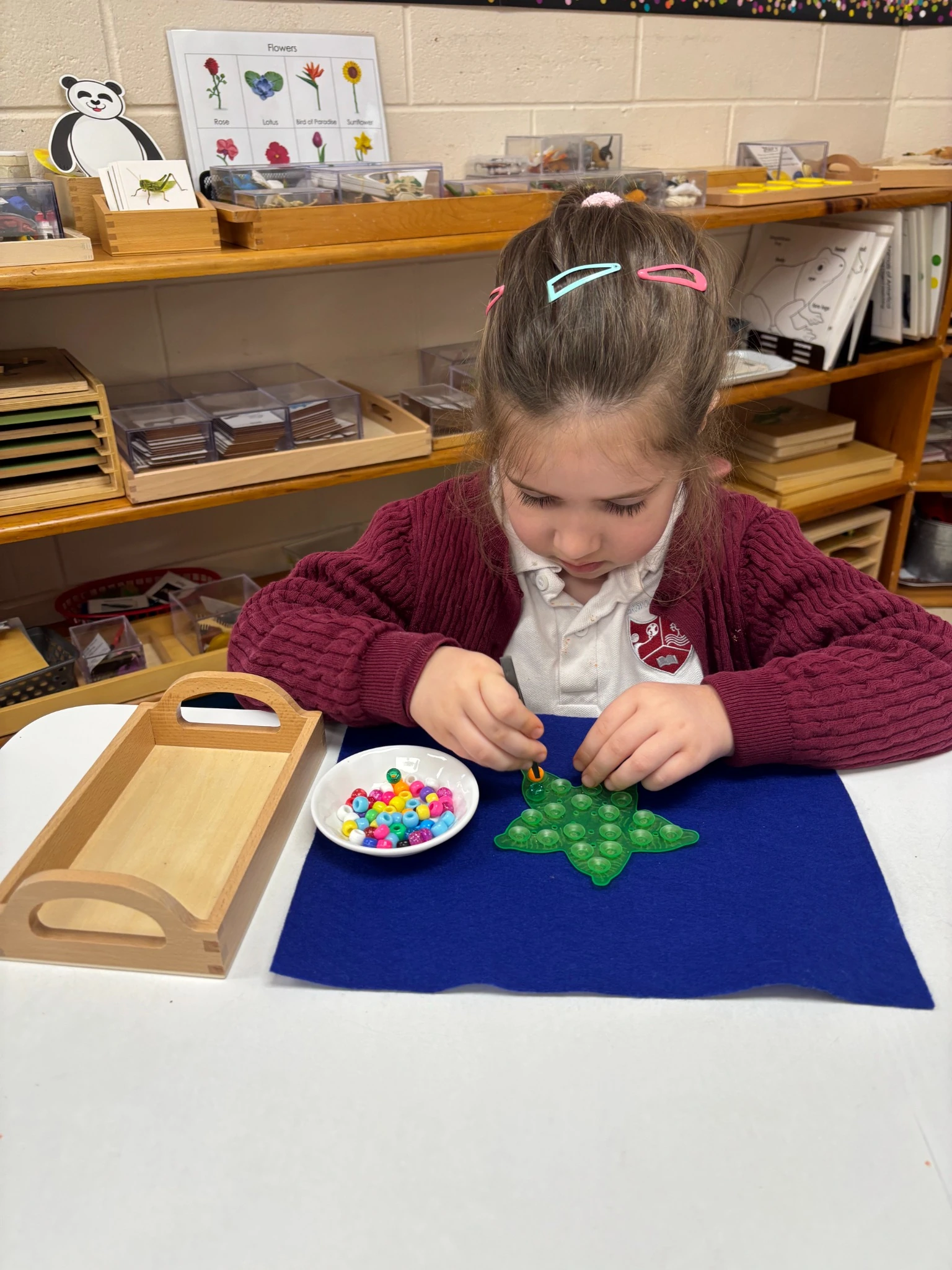
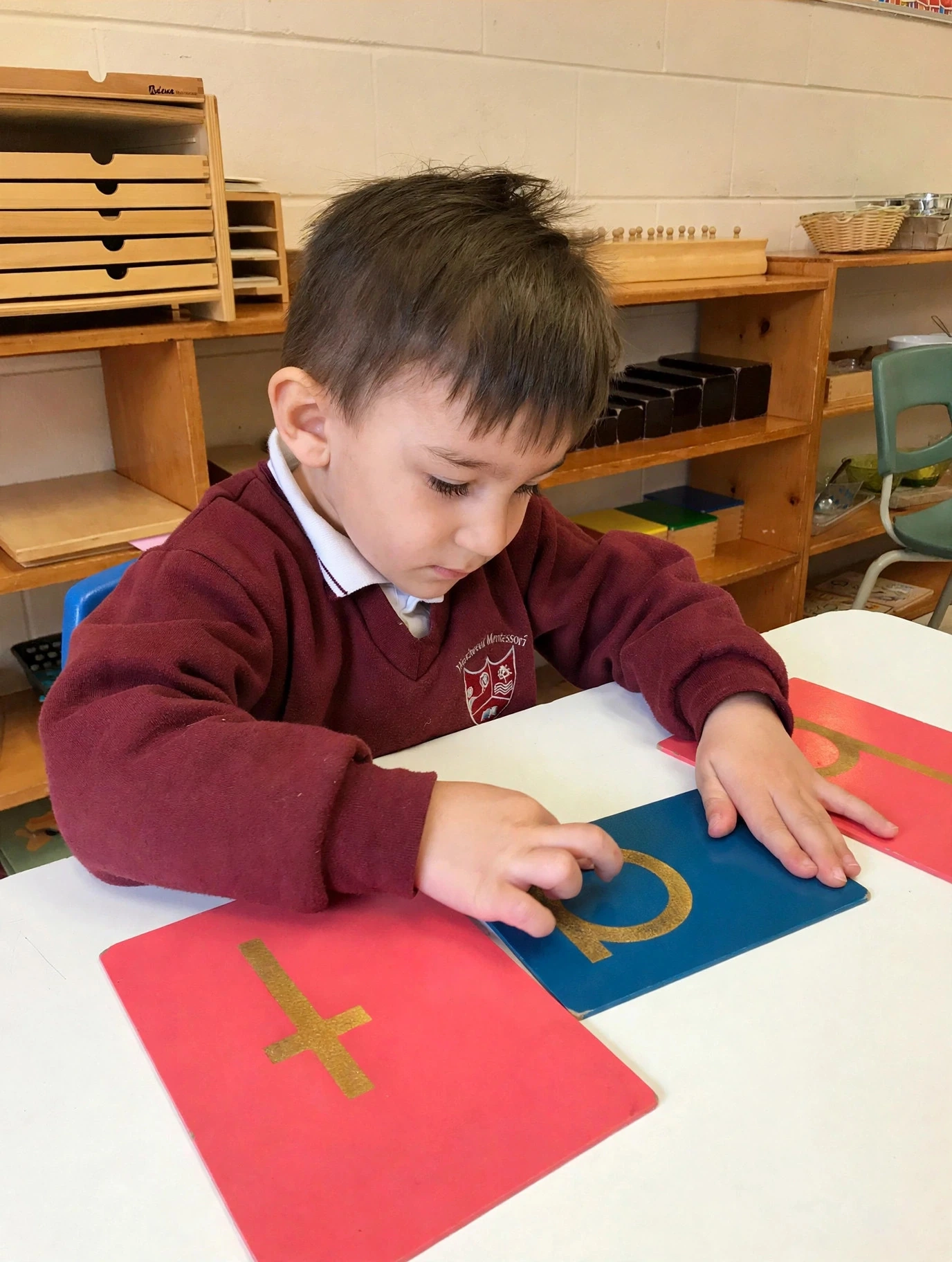
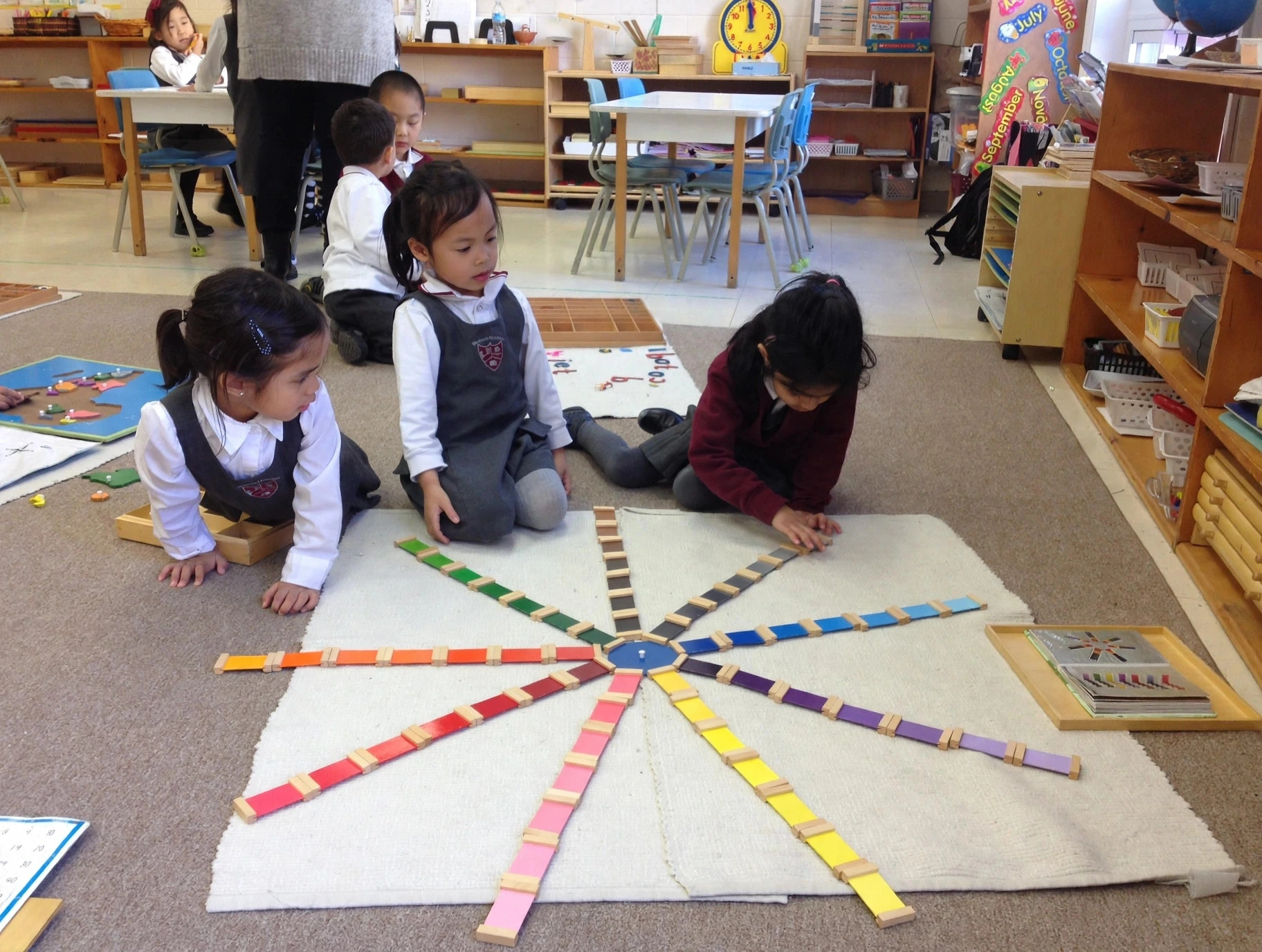
Two central ideas are that people develop by engaging with their environment, and that children follow an individual path of development. A carefully prepared environment offers meaningful choices and opportunities to practise skills.
Freedom within that environment is supported by limits, appropriate materials and a trained teacher. It is purposeful choice rather than an absence of guidance.
The Absorbent Mind
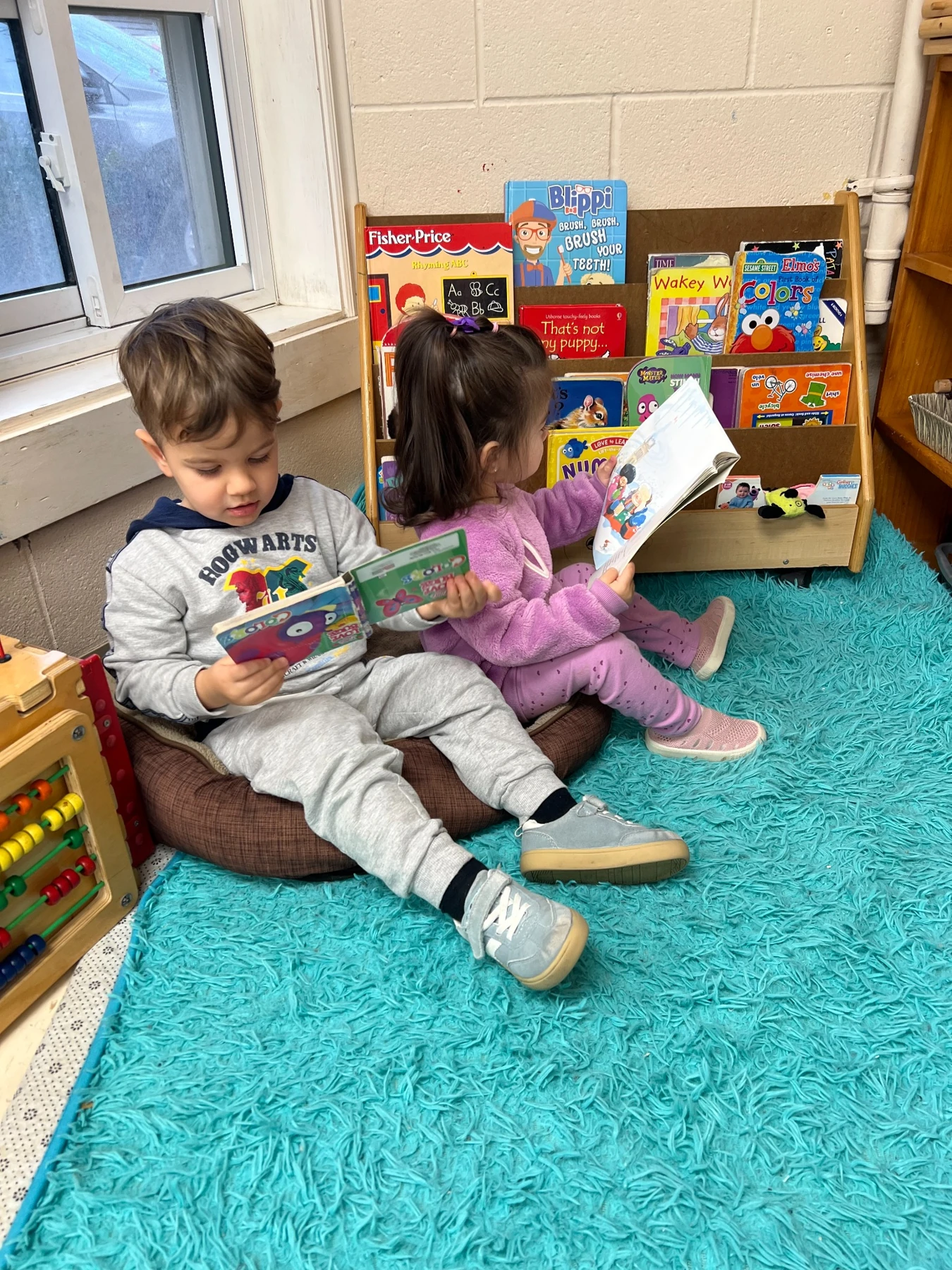
Montessori described early childhood, particularly birth to age 6, as the period of the absorbent mind. Young children learn readily through the experiences, language and activity around them.
Learning to speak offers a familiar example: toddlers absorb language through listening and interaction. A rich environment gives children many opportunities to explore, communicate and build understanding.
This view places importance on the quality of a child’s everyday surroundings and the experiences adults make available.
An Approach That Continues to Resonate
Montessori principles remain influential in early childhood education and beyond. Prepared environments, hands-on learning and respect for individual development continue to interest families and educators.
Some conventional classrooms also make space for children to learn at their own pace or explore topics that interest them. The Montessori approach brings these ideas together within a coherent educational philosophy.
A classroom visit gives parents an opportunity to see how those principles shape daily life at a particular school.